James Lafferty
The Legend
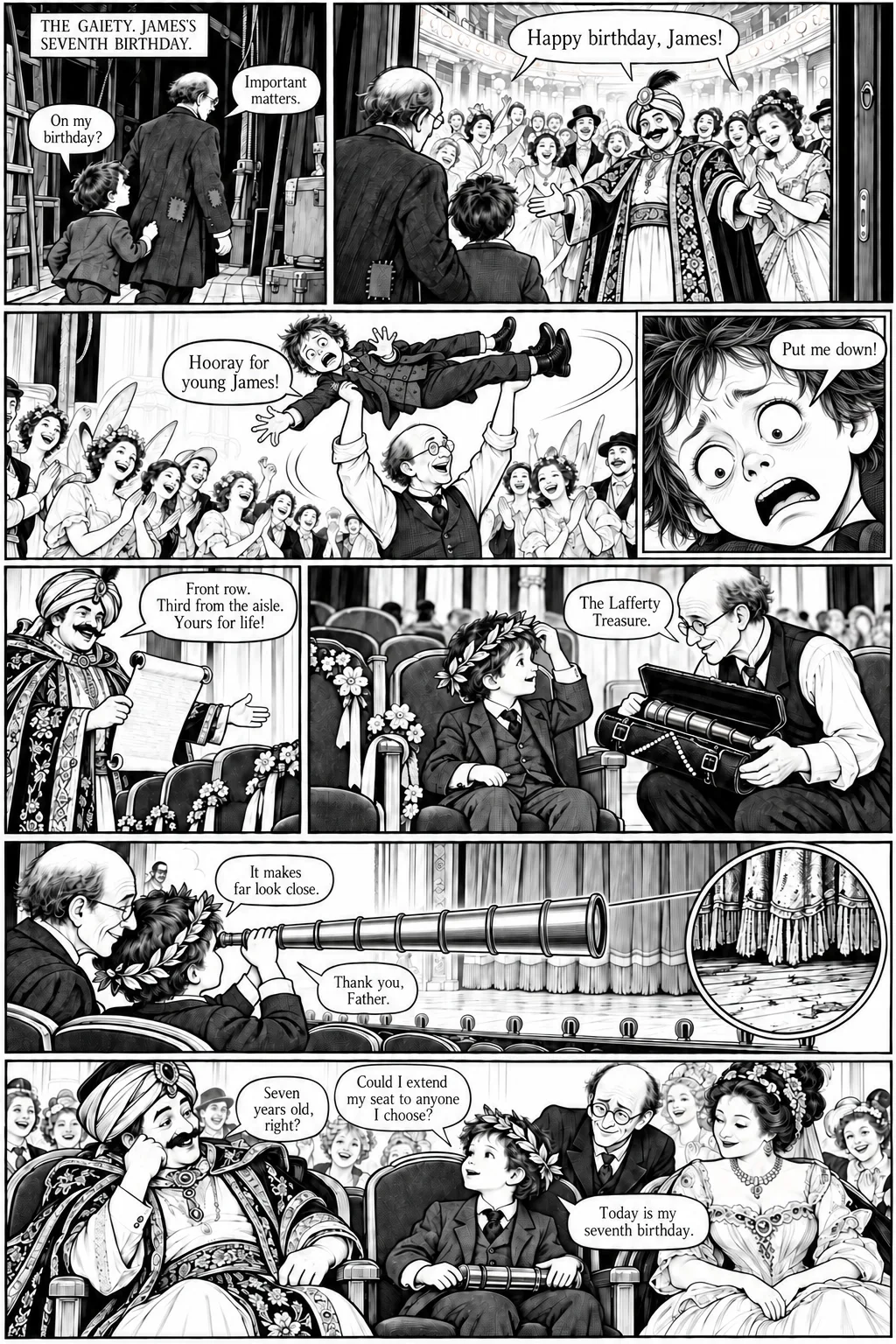
From his seventh birthday he sits in the third seat from the aisle in the front row of the Gaiety Theatre and learns every play by heart. The winter the flu empties the dressing rooms, he plays Romeo and Juliet both.
 Get Me Lafferty!
Fortune Publishing · The Lafferty Series
How a Legend Invented on a Dublin Stage Came to the Rescue of Paris
A novel by Frank! · Coming Soon

Overture
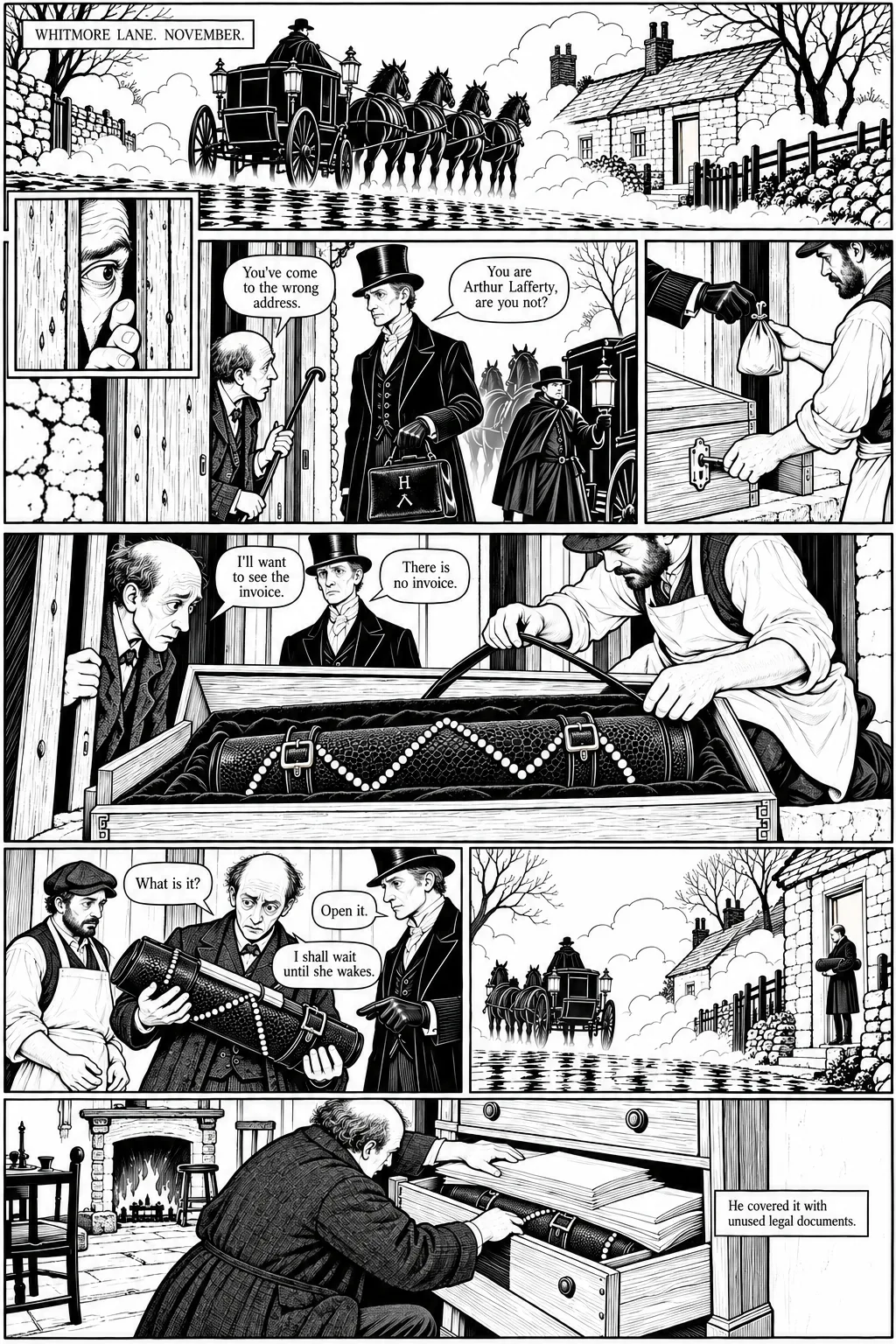
On a November night a black carriage comes down Whitmore Lane in Dublin and stops at the cottage of Arthur Lafferty, an attorney who does not try cases. A man in a pinstriped morning coat hands him a case of reptile leather, eighteen inches long, with ivory beads across it and brass buckles at the closure. There is no invoice and no receipt. Inside is a brass spyglass of seven sections.
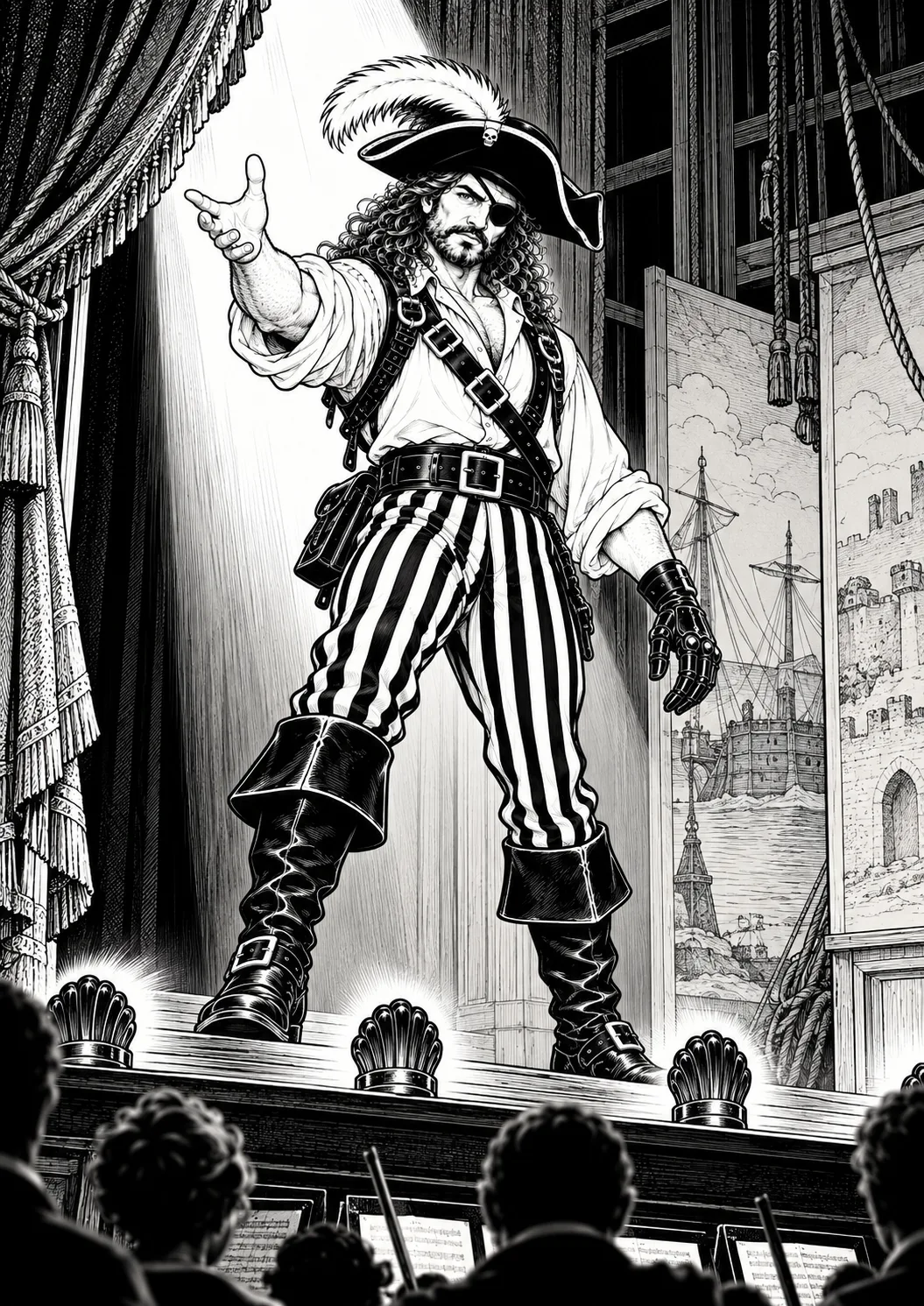
At the Gaiety Theatre the actress Dora Jordan raises a torch and tells the house a tale of the great Lafferty. By midnight every pub in Dublin has its own. Arthur’s son James grows up in the third seat from the aisle, learning every play by heart.
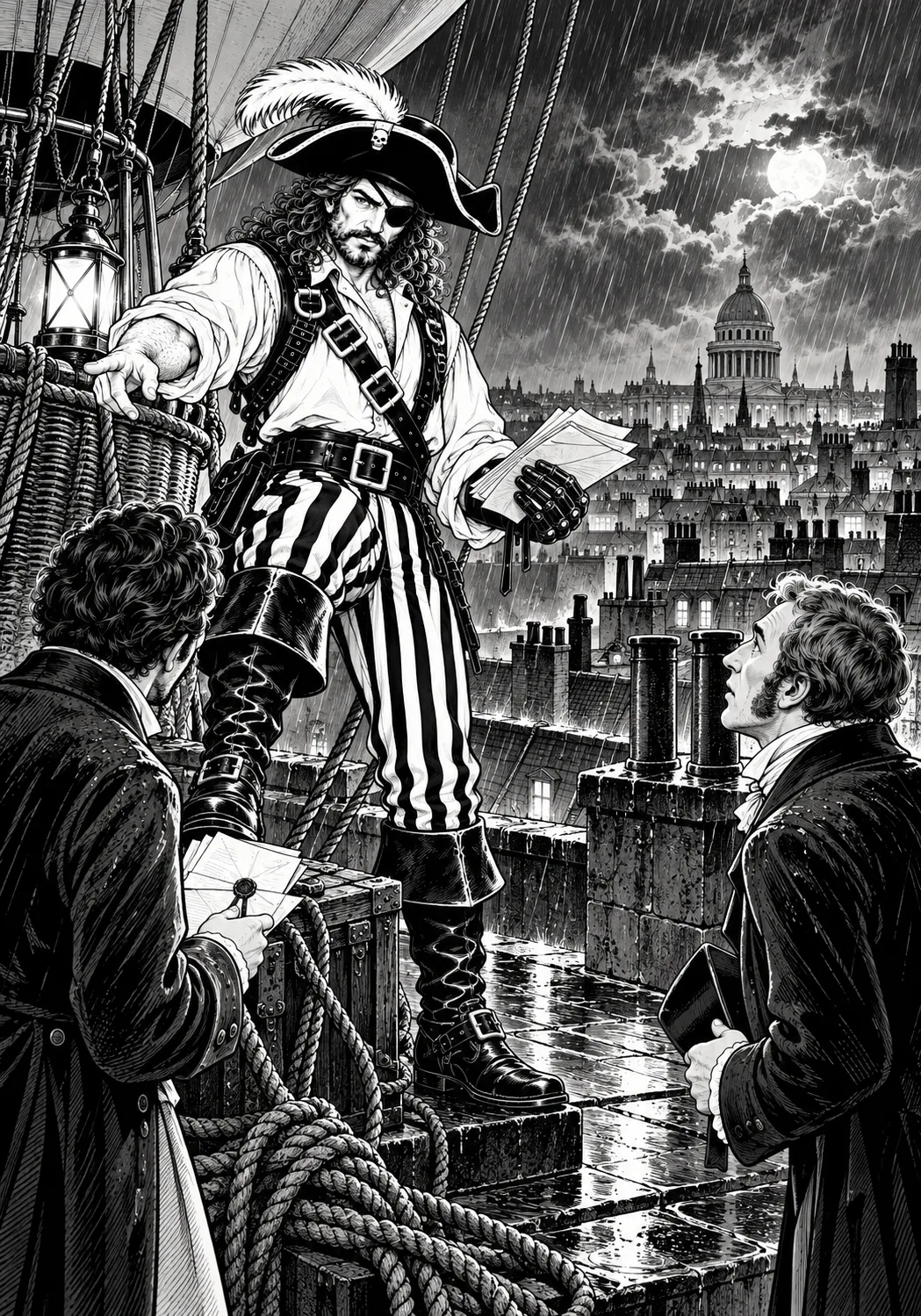
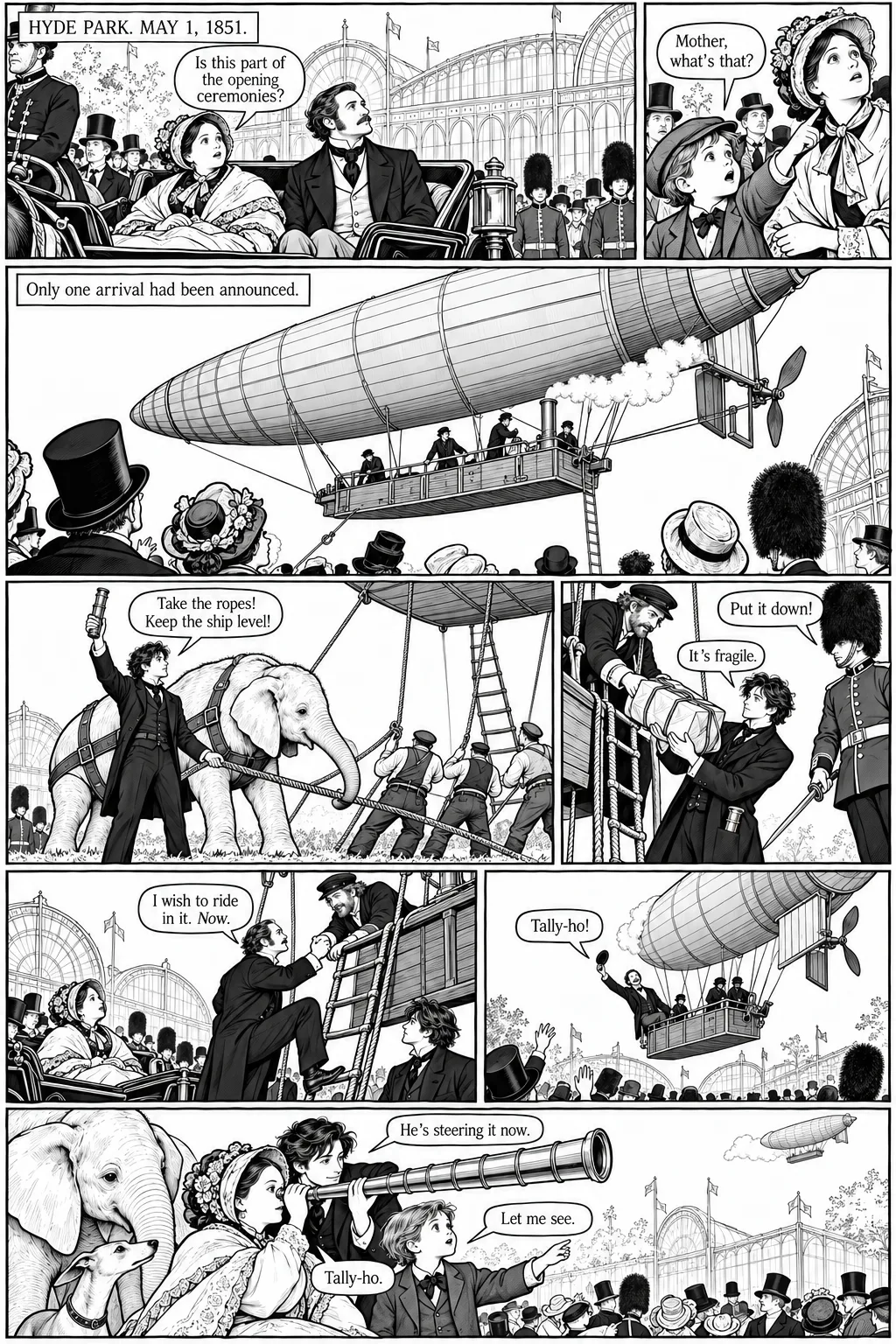
James carries the spyglass to the Great Exhibition of 1851, to a firm on Market Street in Philadelphia, and at last to Paris under siege, where the photographer Nadar, the microphotographer René Dagron and a typesetter named Jules Verne are trying to bring the city its mail by balloon and by pigeon.
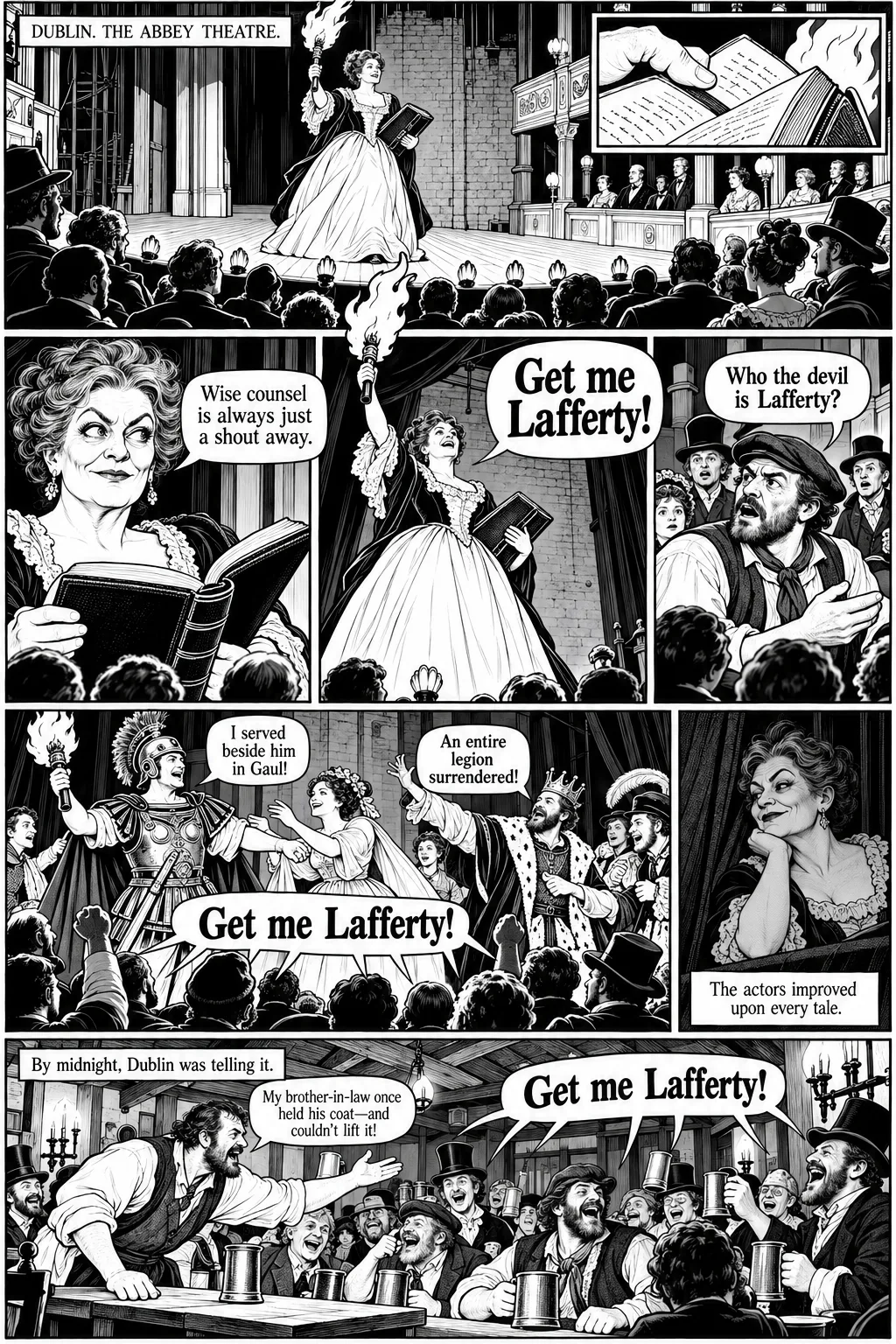
By Midnight, Dublin Was Telling It
Press the button. Every Dubliner has a better Lafferty story than the last man.
The Gaiety Theatre, Dublin
A centurion from the second act seized the torch and swore upon his pasteboard breastplate that he had served beside Lafferty in Gaul, where the great man had accepted the surrender of an entire legion using only a raised eyebrow and a writ.
1 / 8
The Costume the Papers Gave Him
“He crossed the Atlantic on the wings of half a million hummingbirds.”
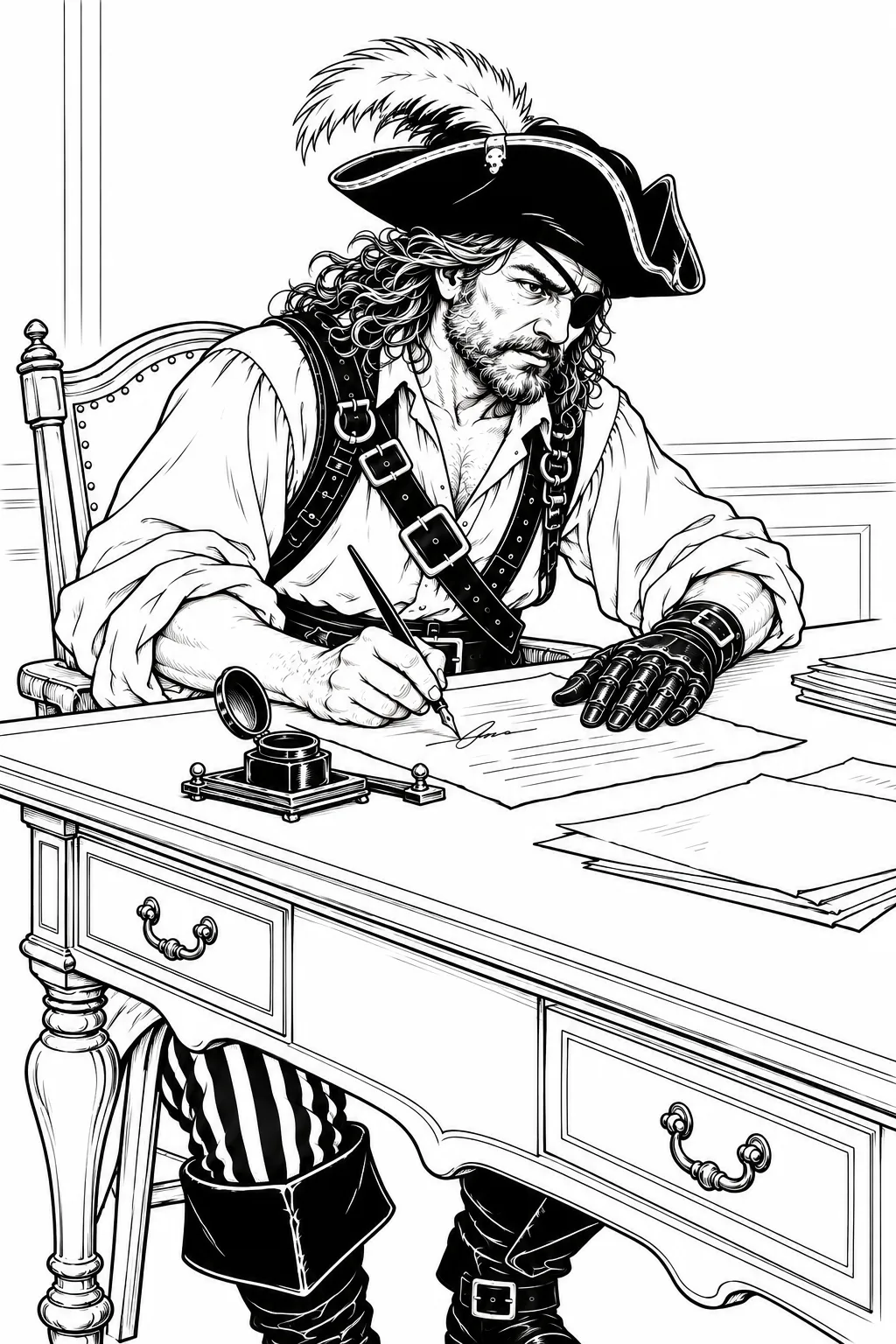
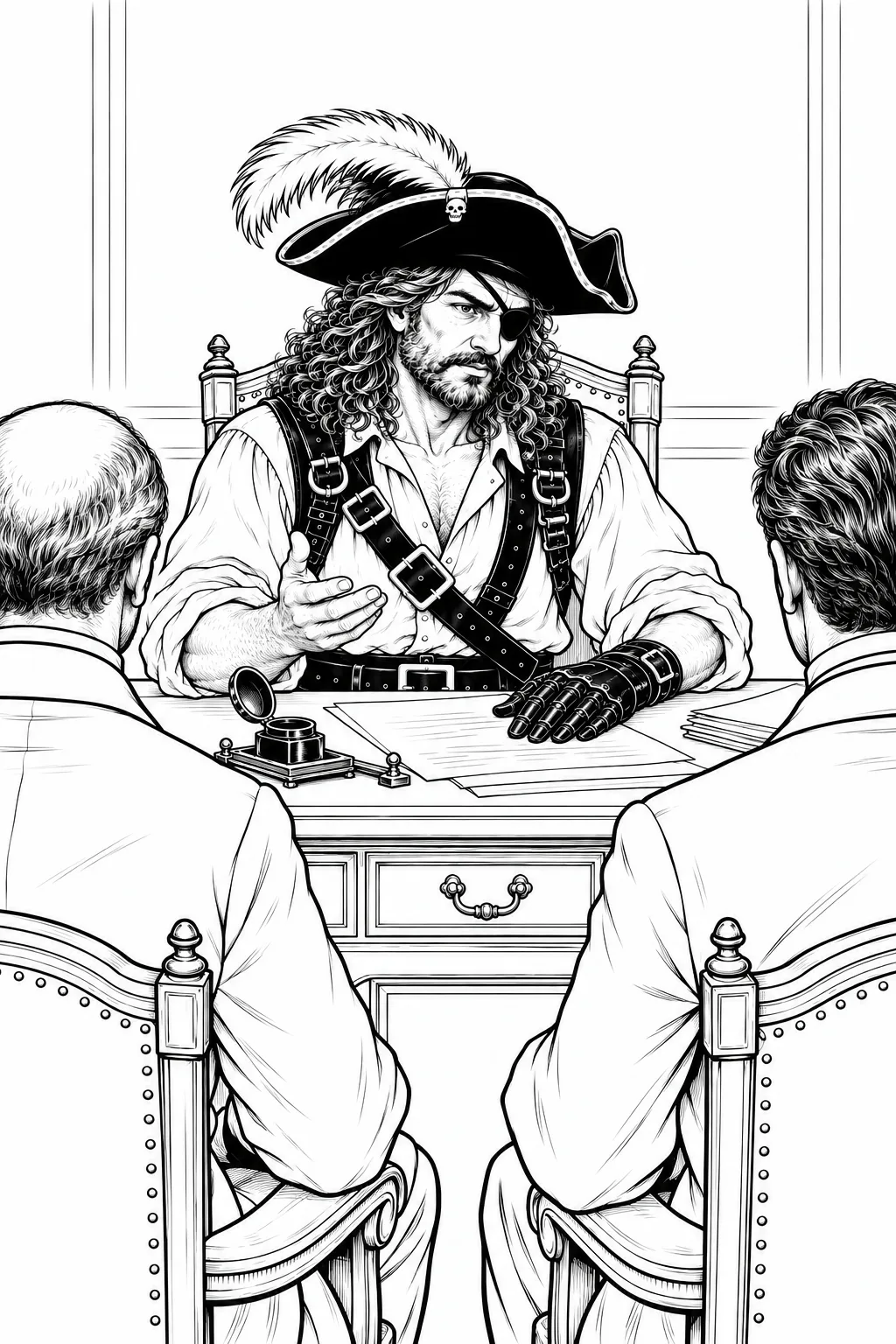
The New York papers reached Philadelphia a week ahead of James. He came down by train in a weathered naval coat with tarnished brass buttons. A leather glove fitted with metal fixtures covered his left hand, and it clicked when he flexed his fingers.
“Are you military, sir?”
“Worse.” James adjusted the shoulder. “I’m a lawyer.”
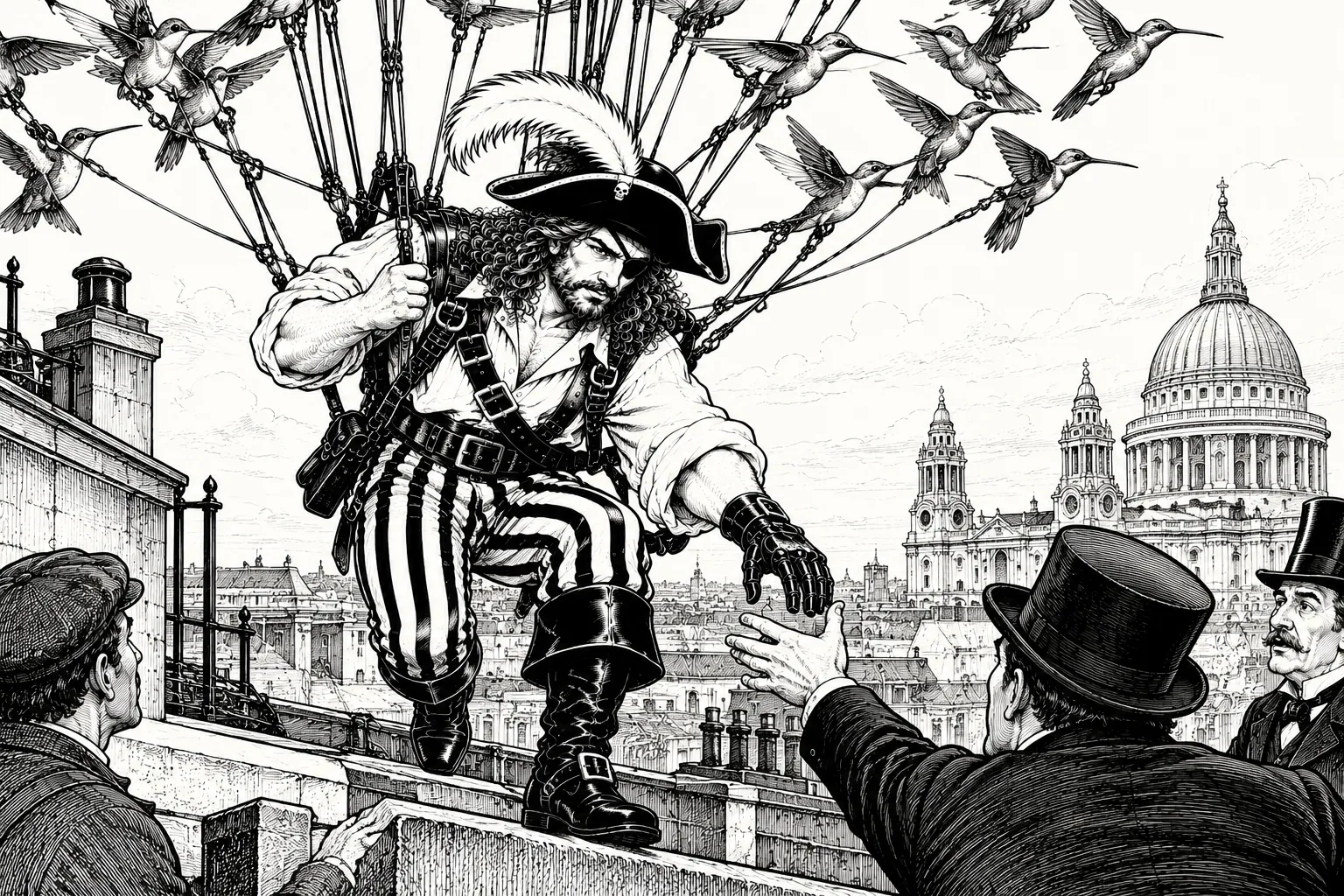
Paris, 1870
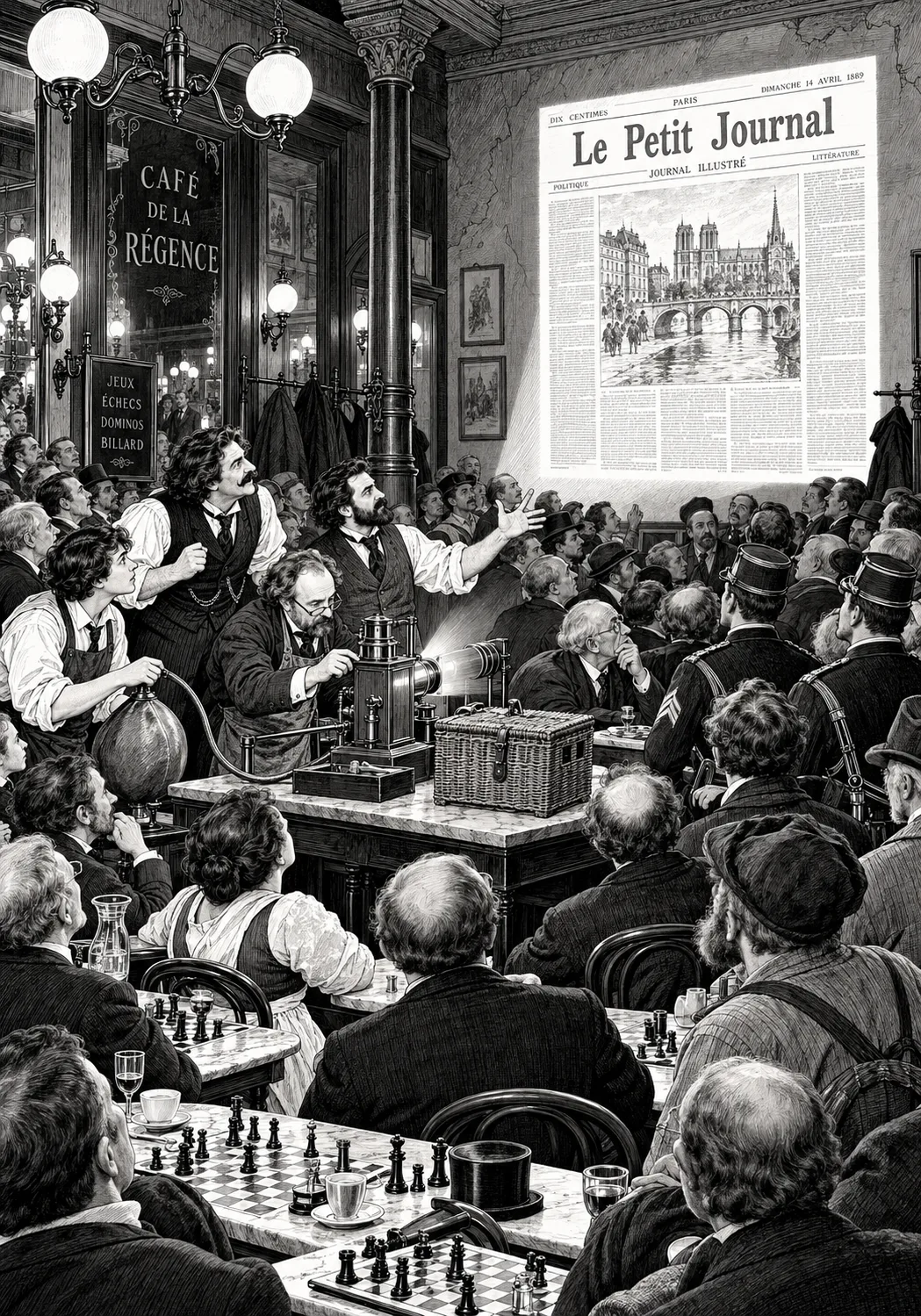
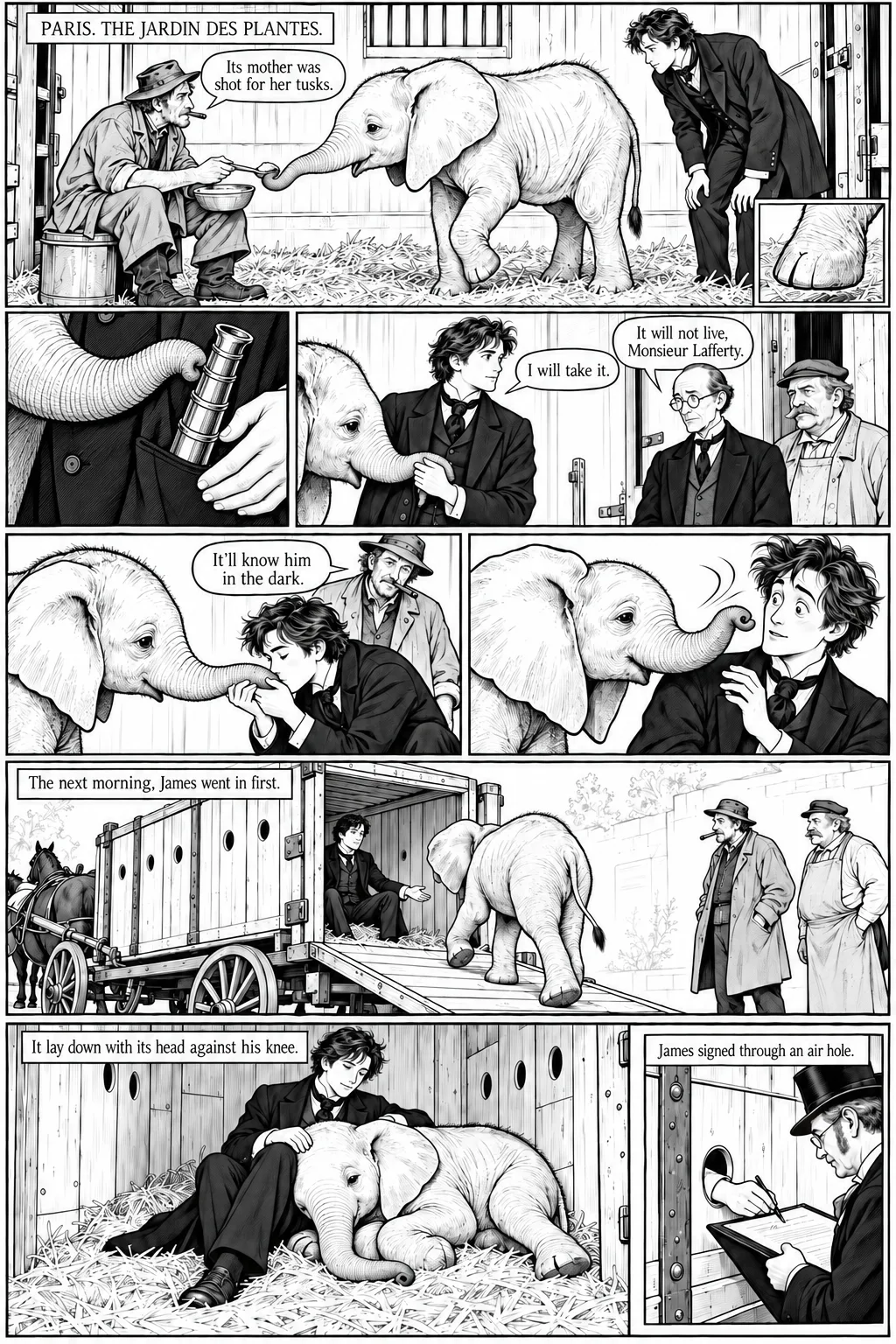
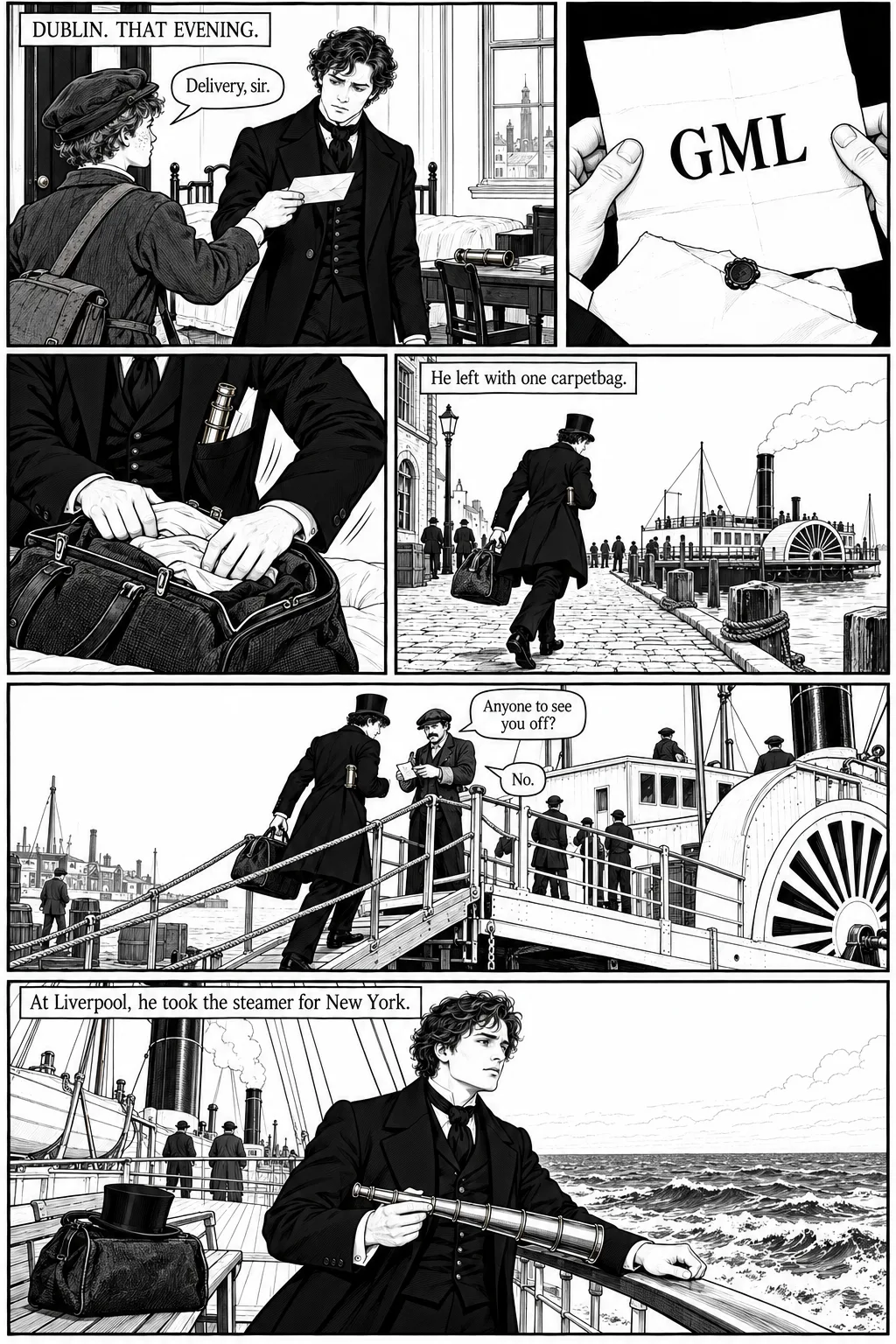
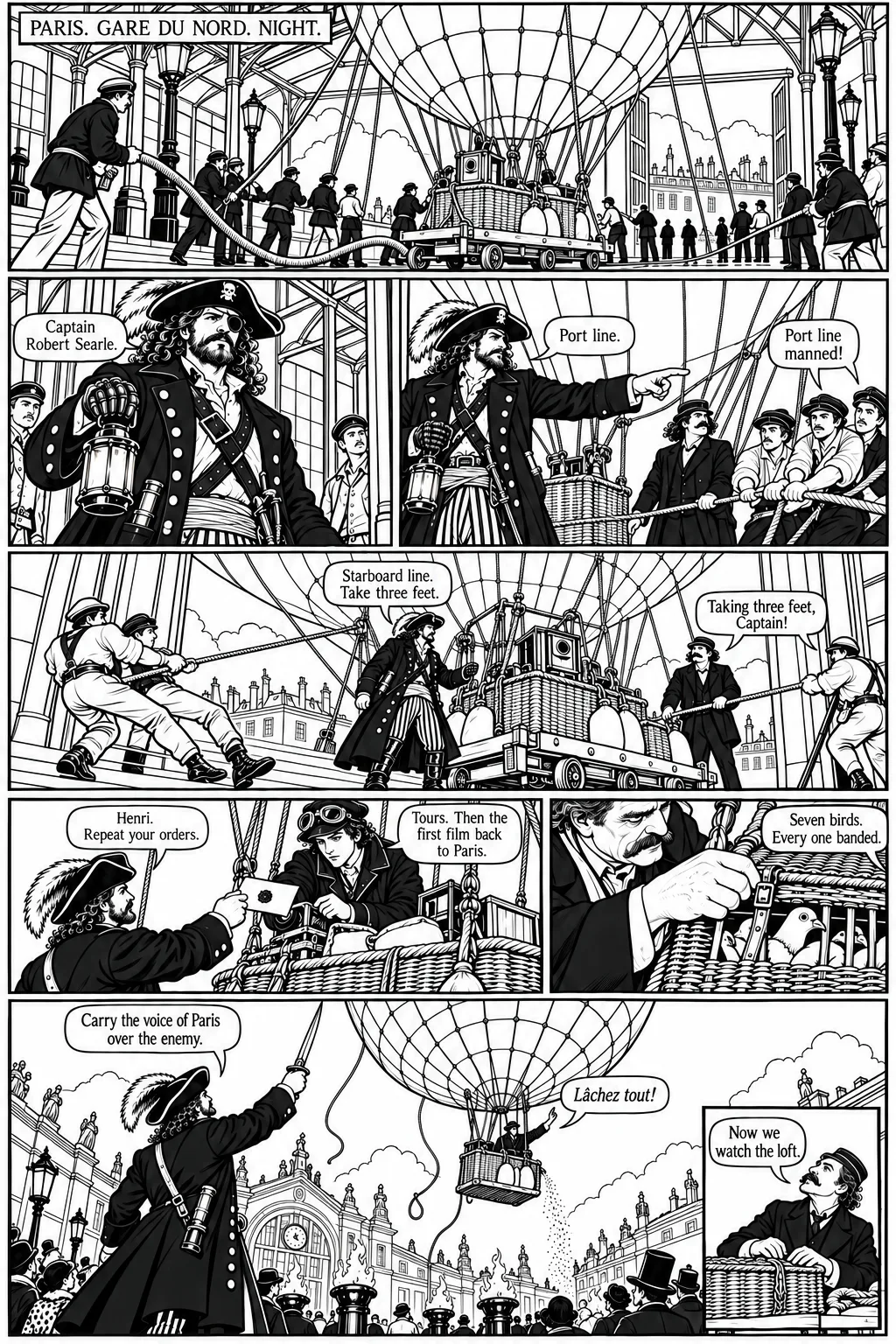
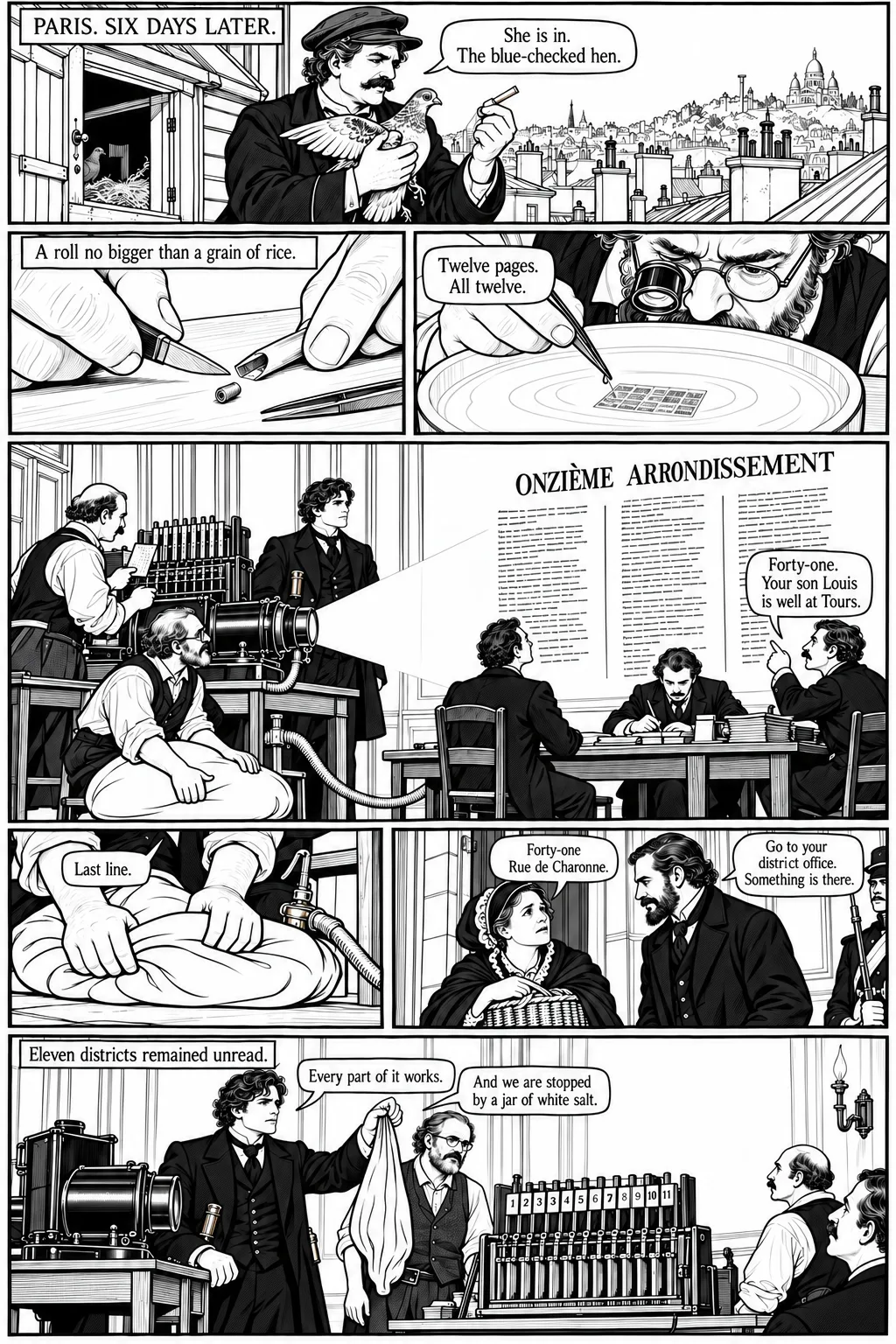
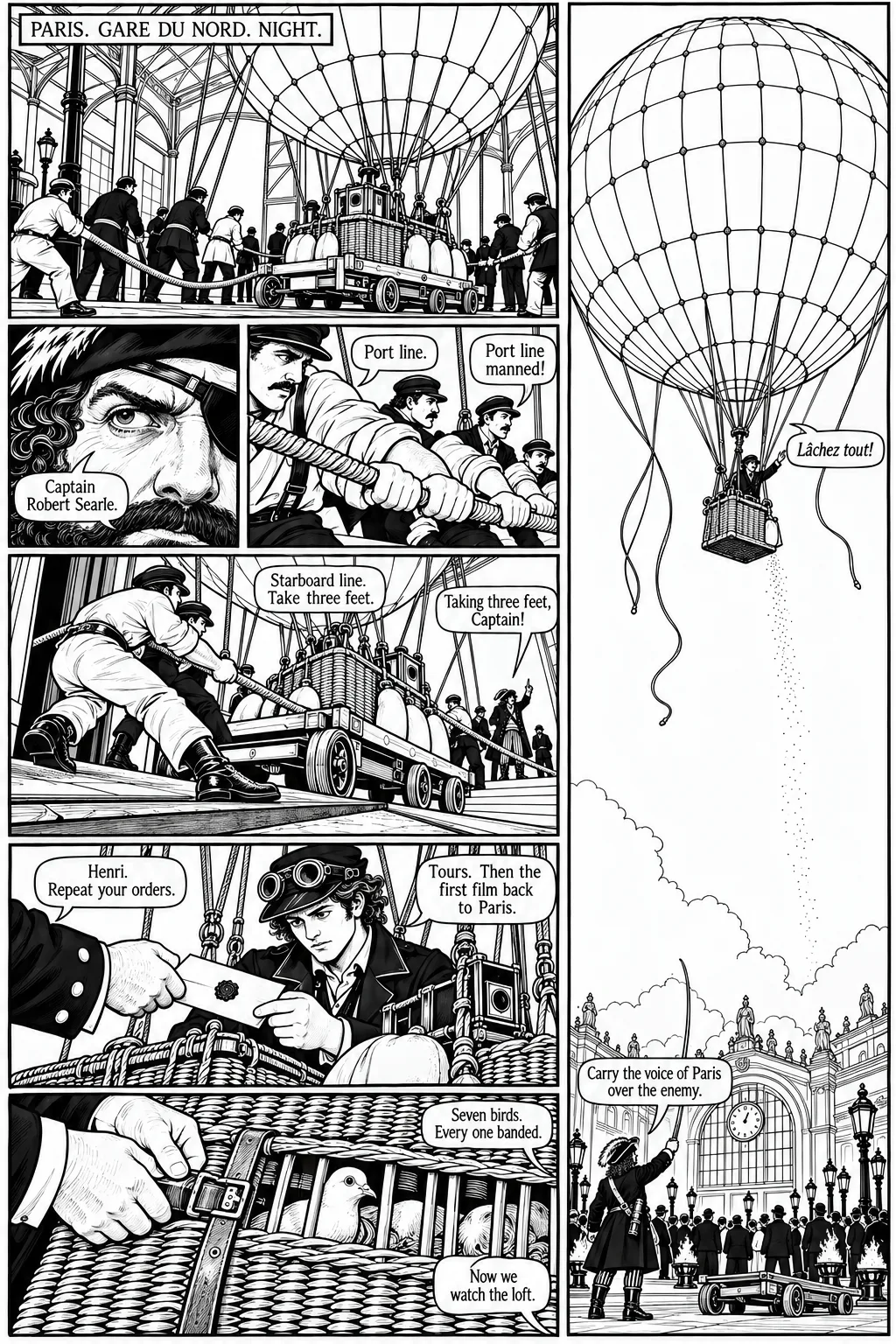
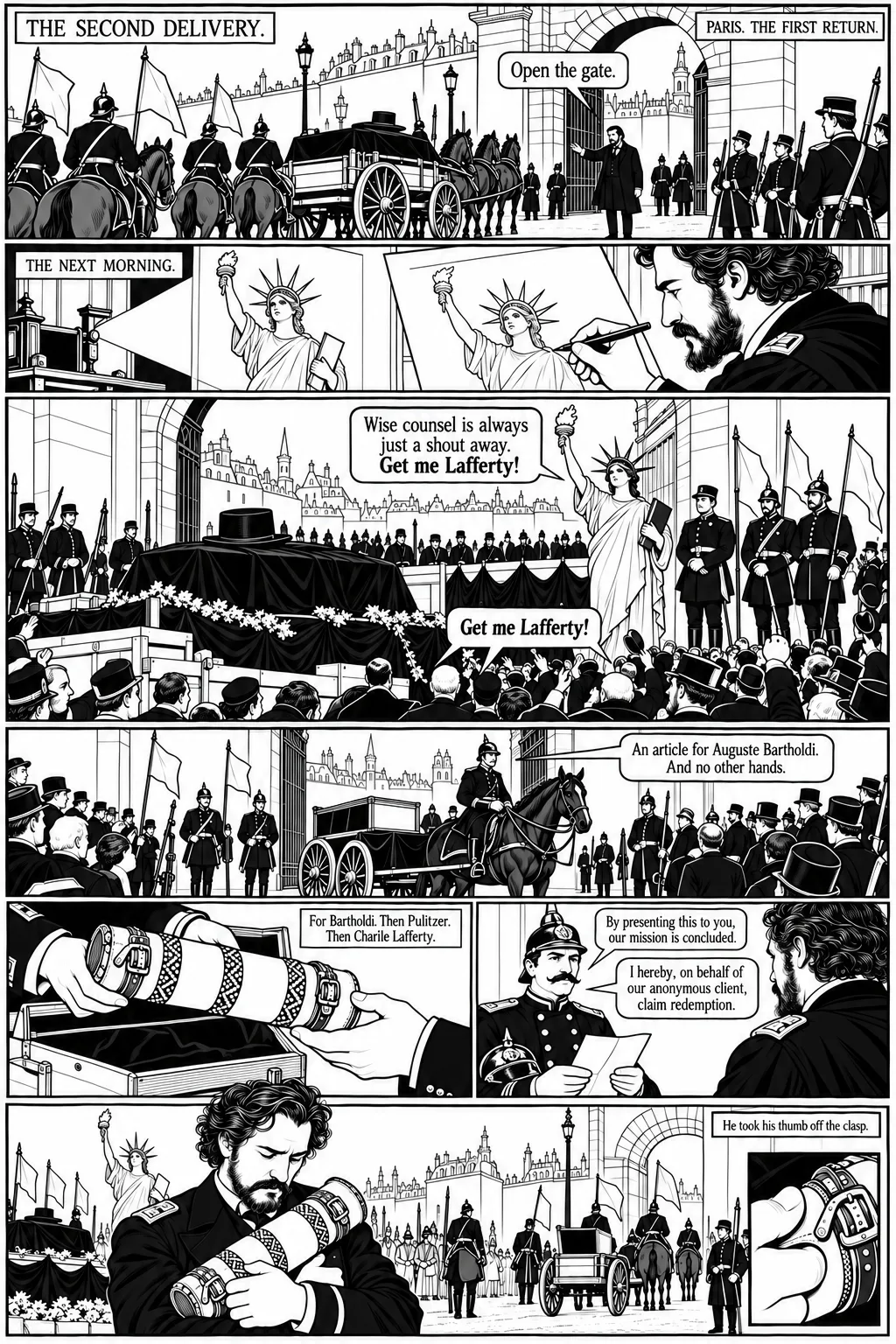
The balloon takes the birds out. The birds bring the answers home on film no bigger than a fingernail, and a lantern throws each page eight feet high on the wall.
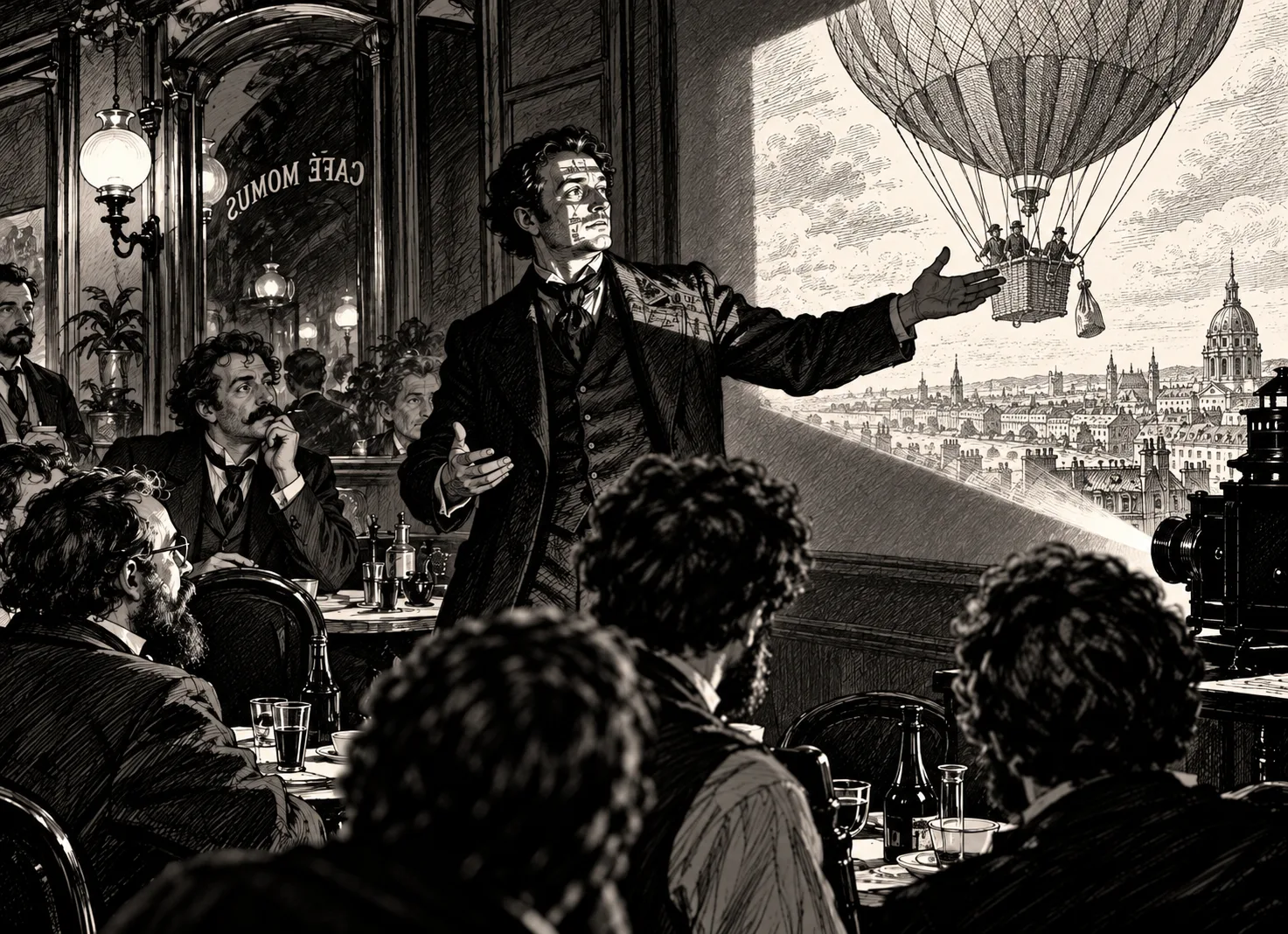
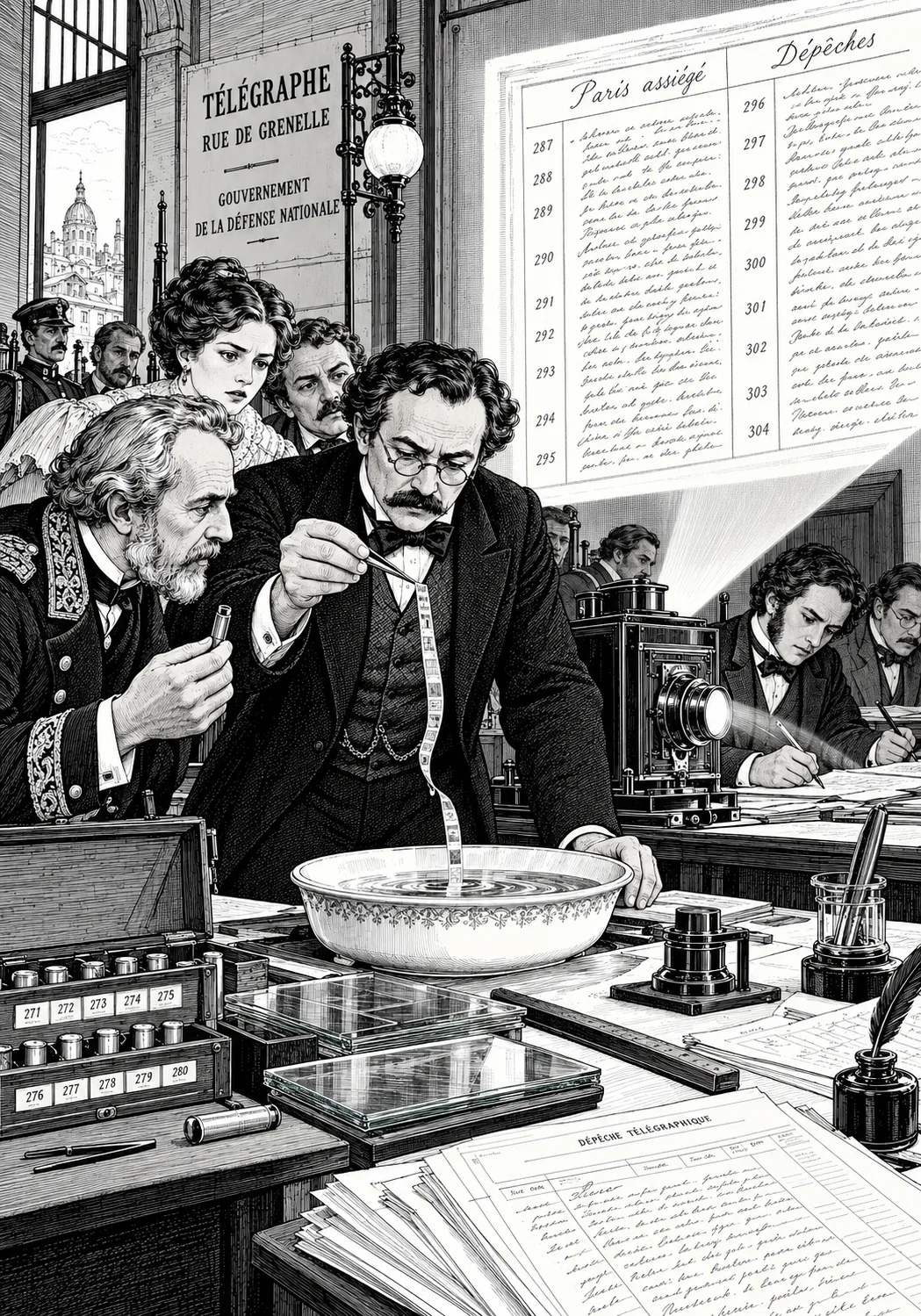
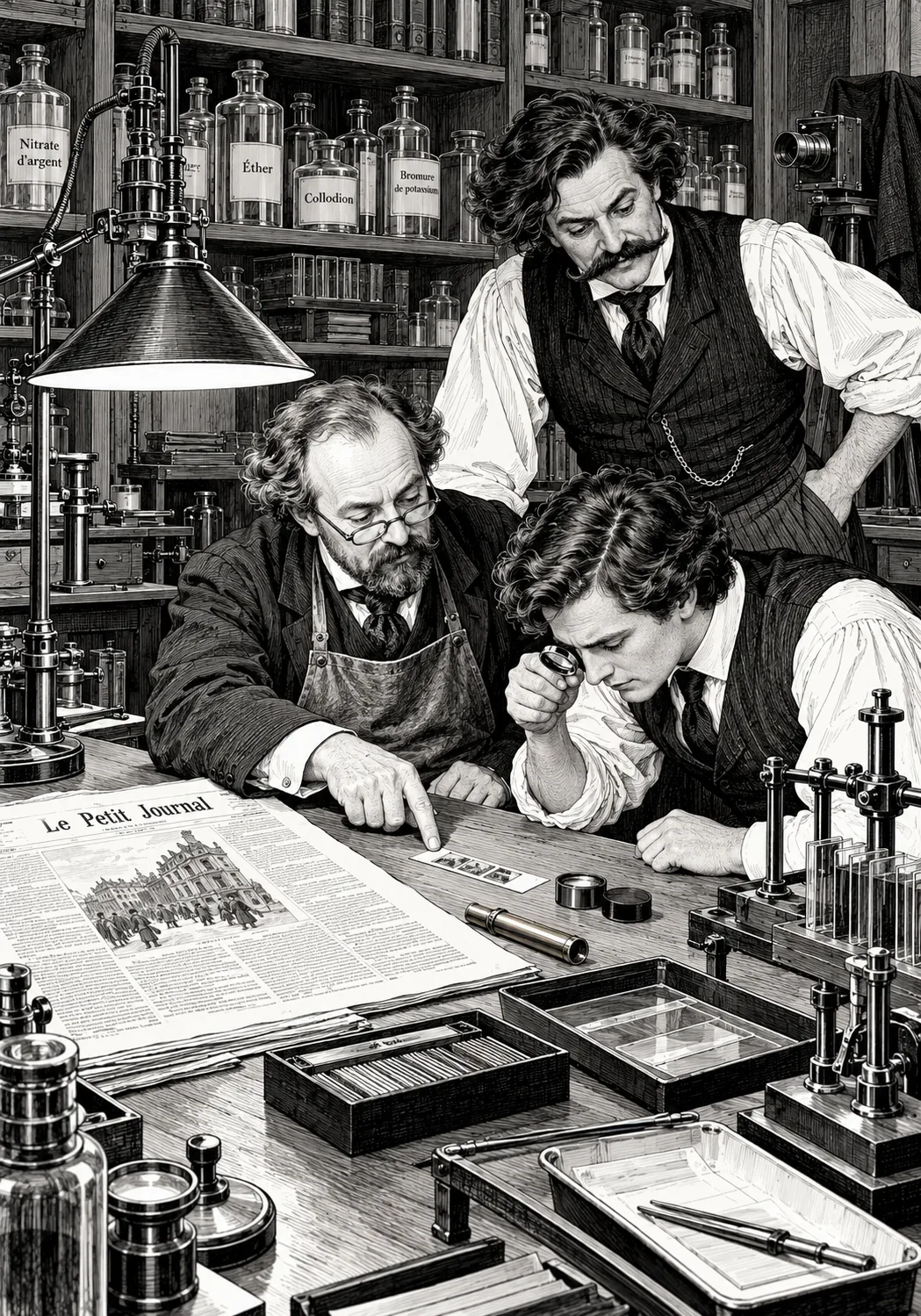
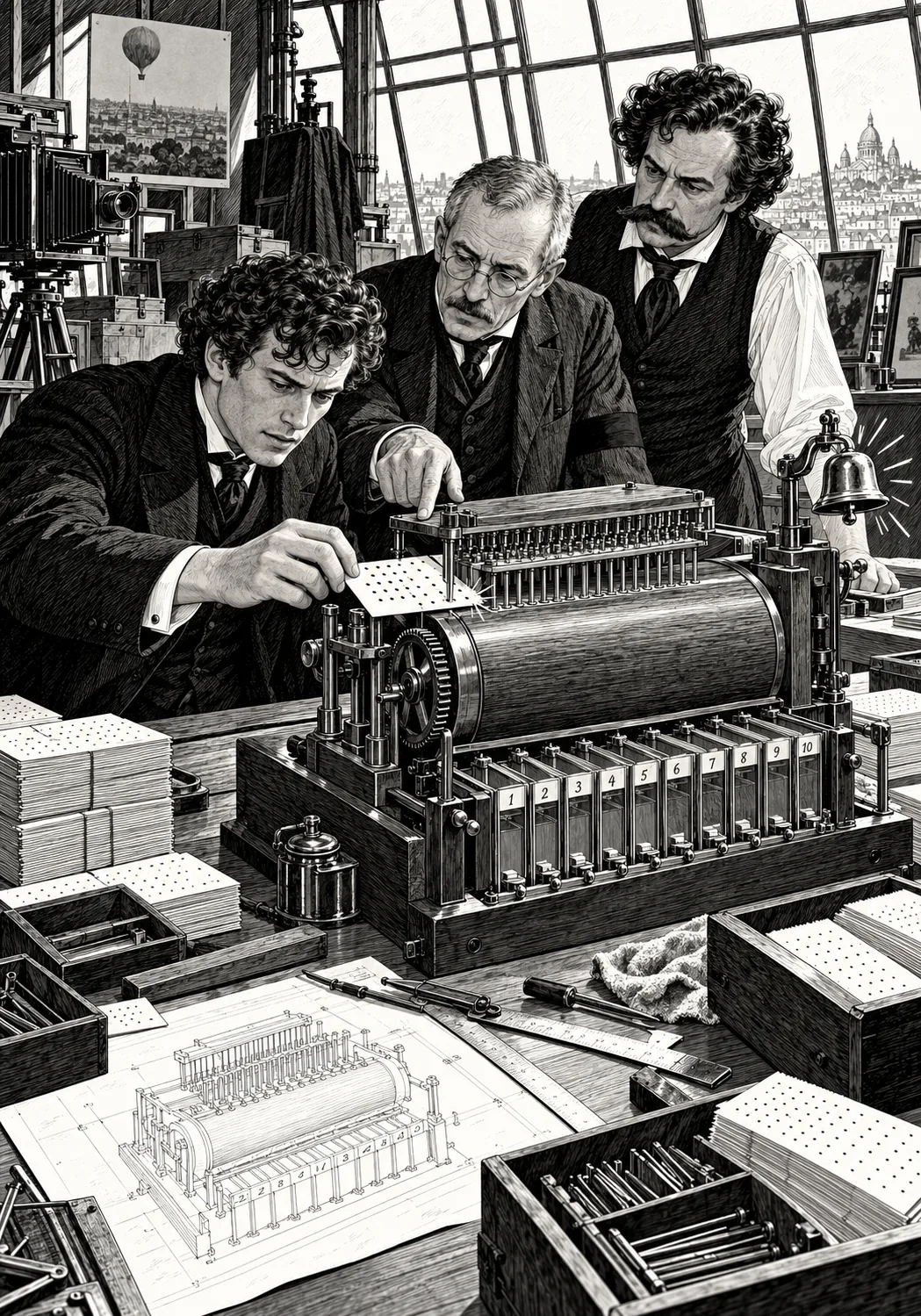
The Illustrated Scene Book
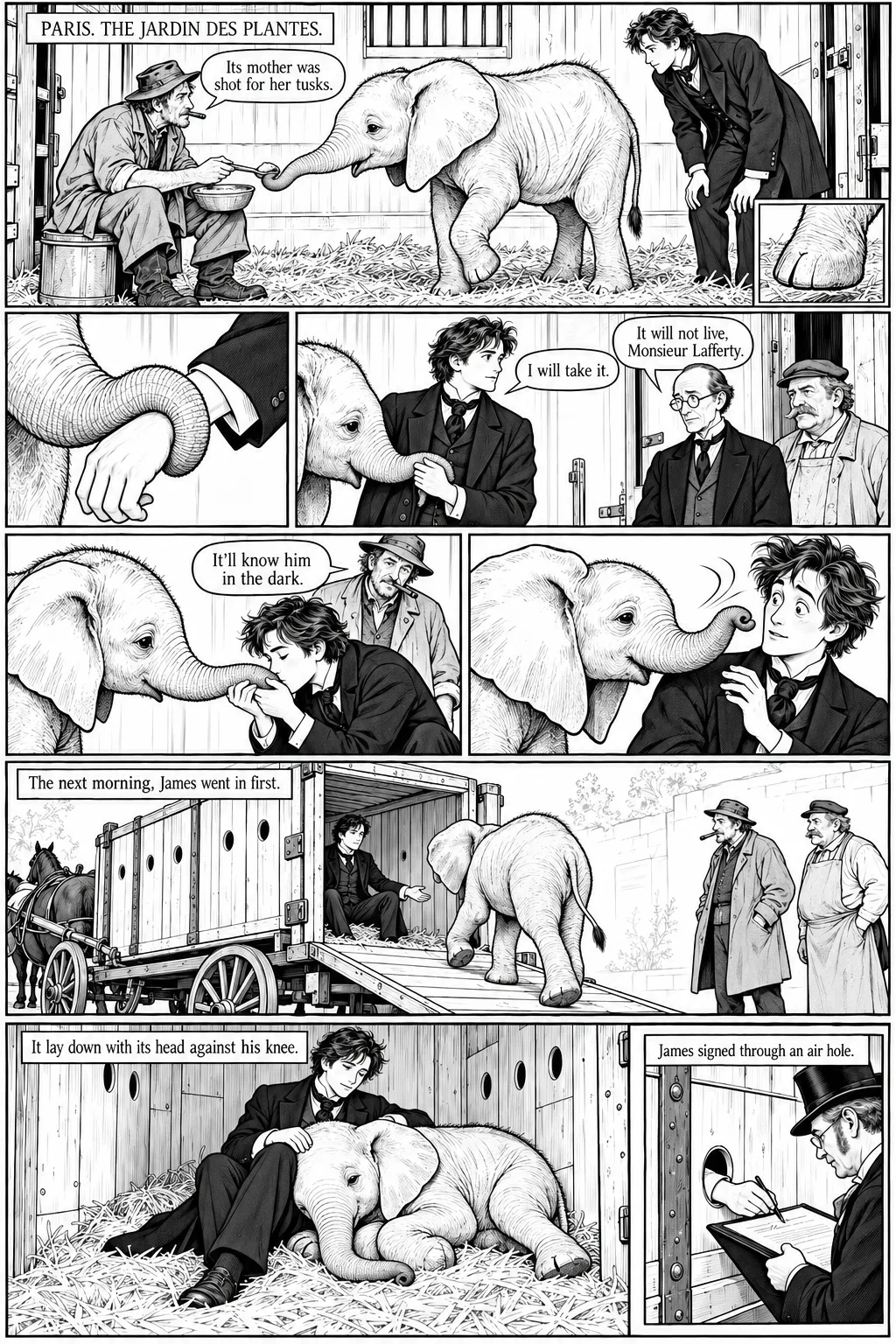
In the order of the story. Drag the film sideways, and click a frame to read the page.
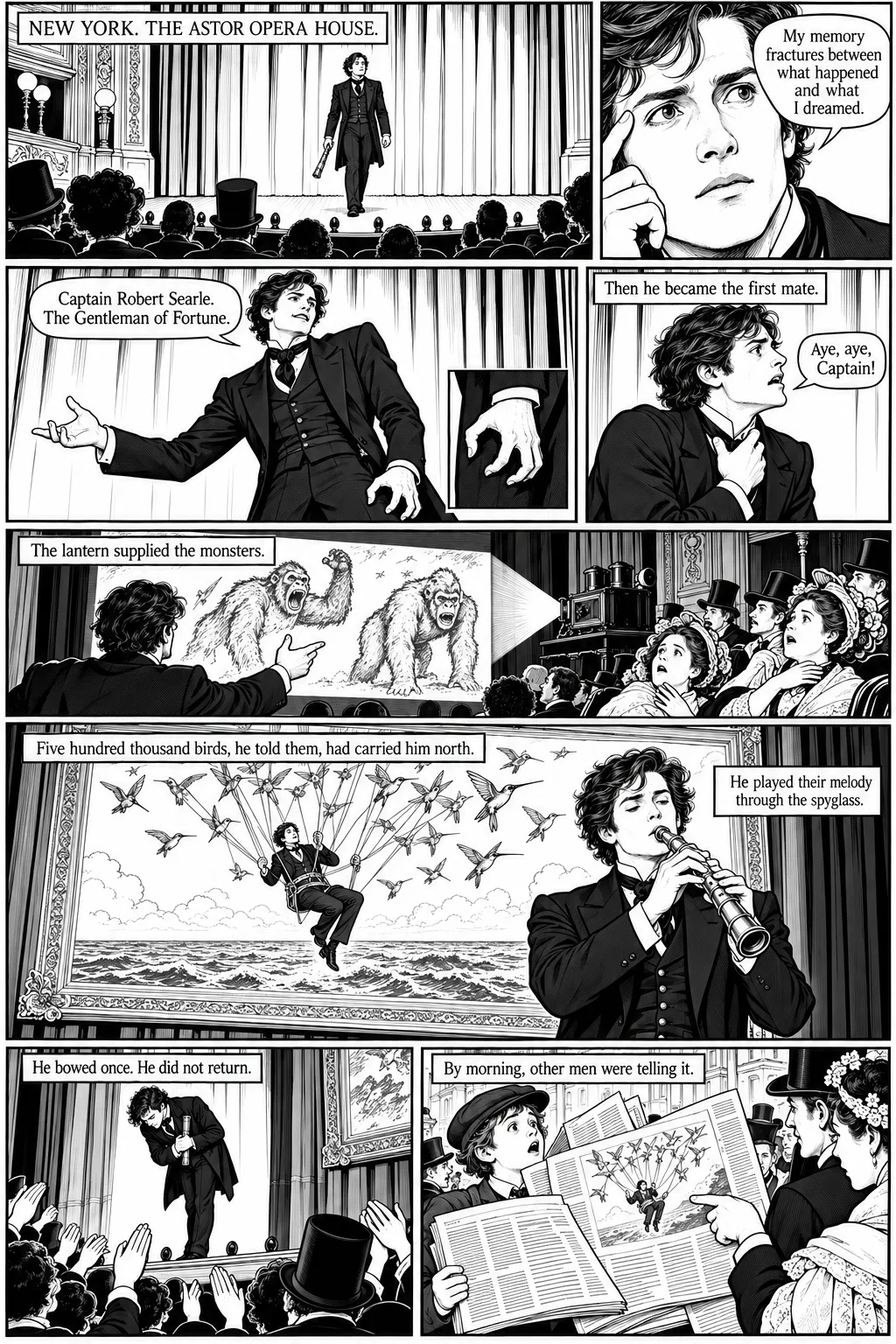
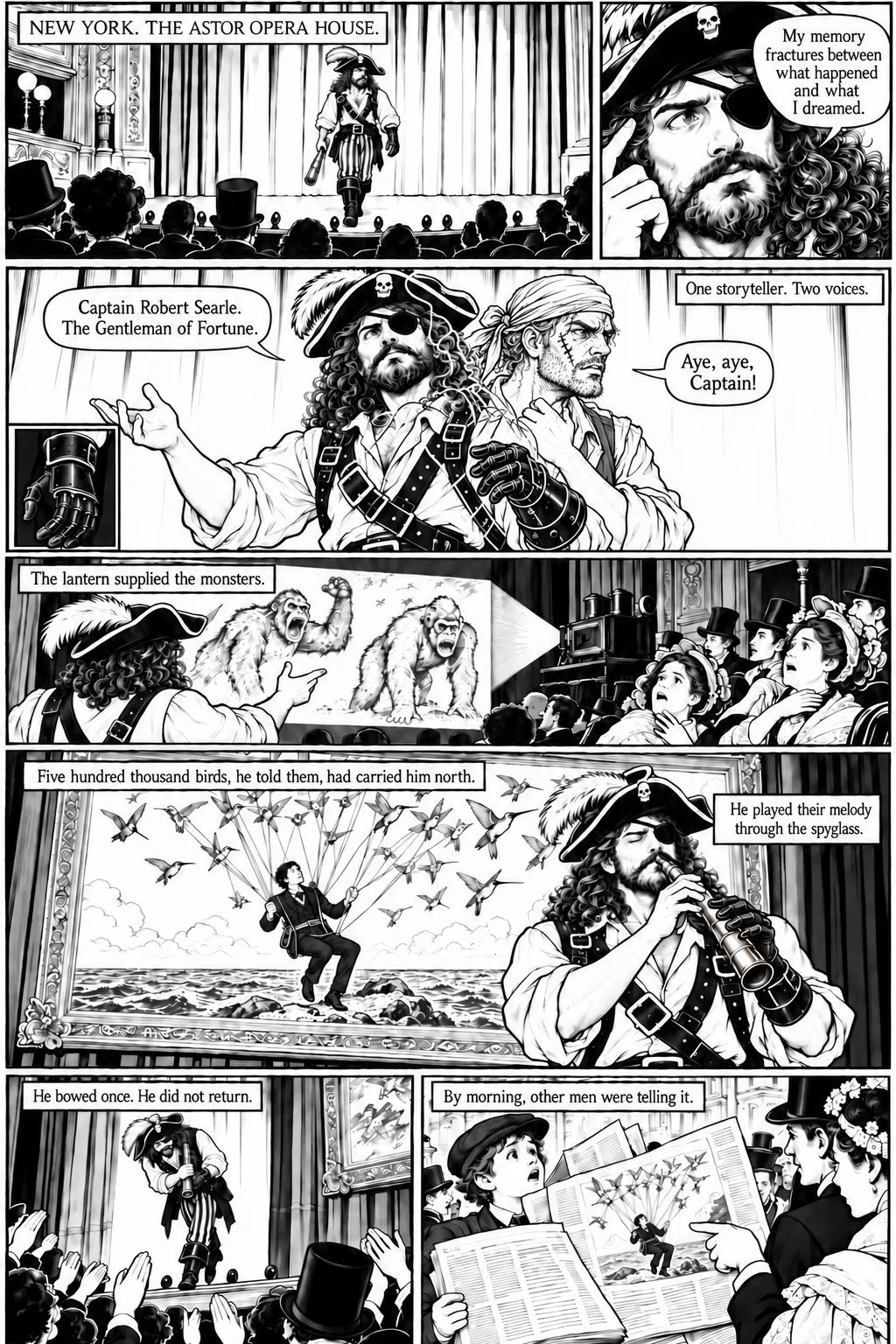
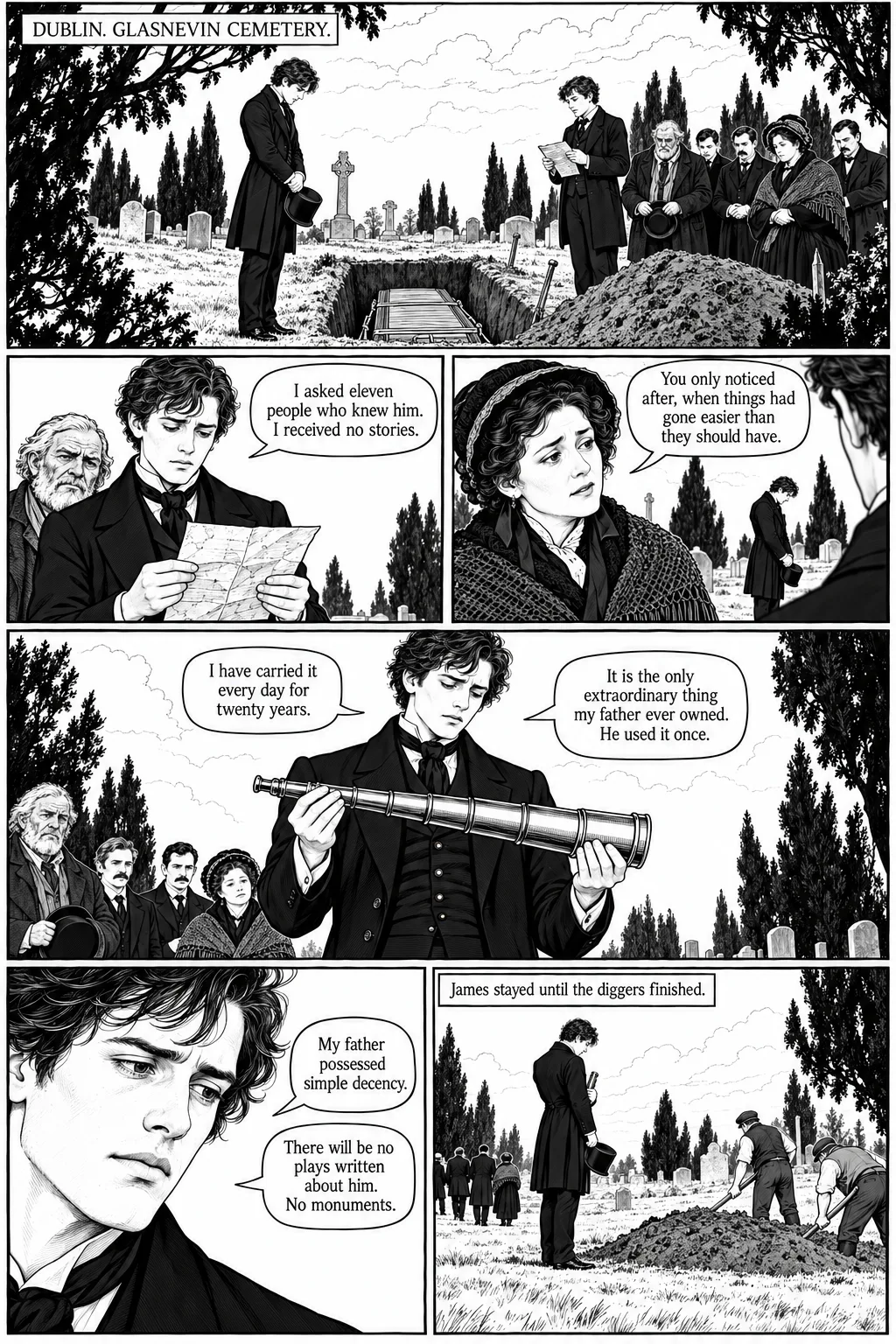
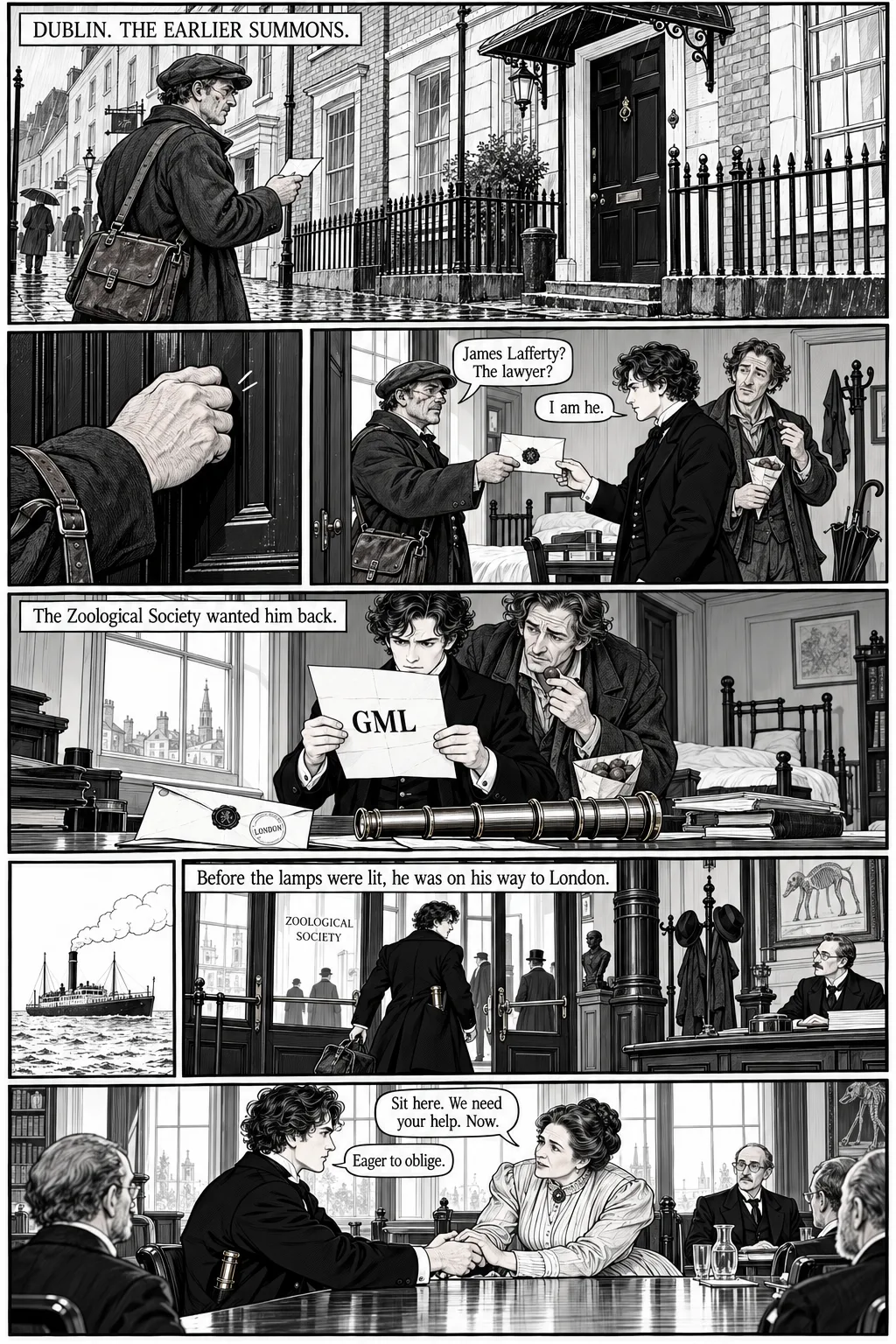
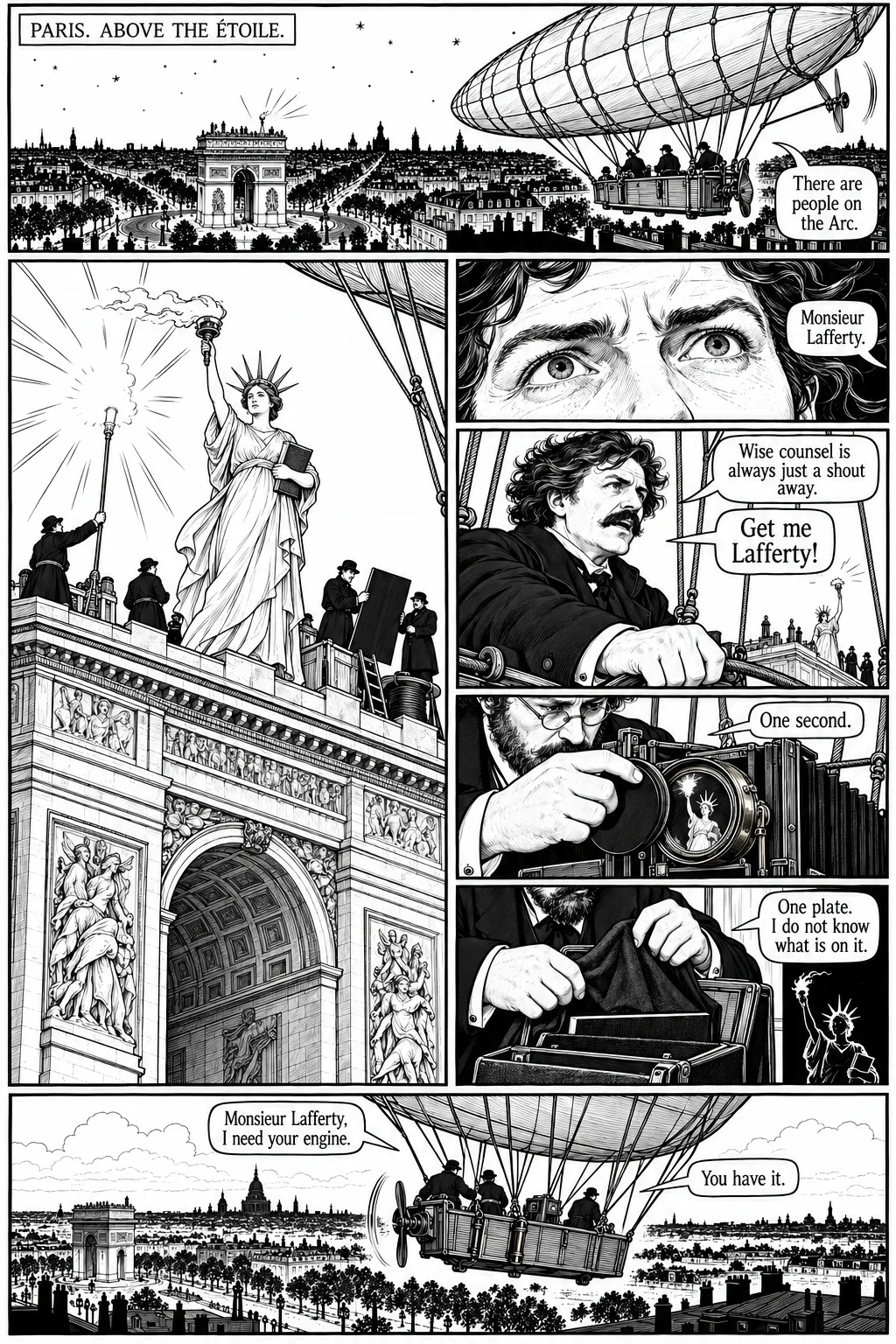
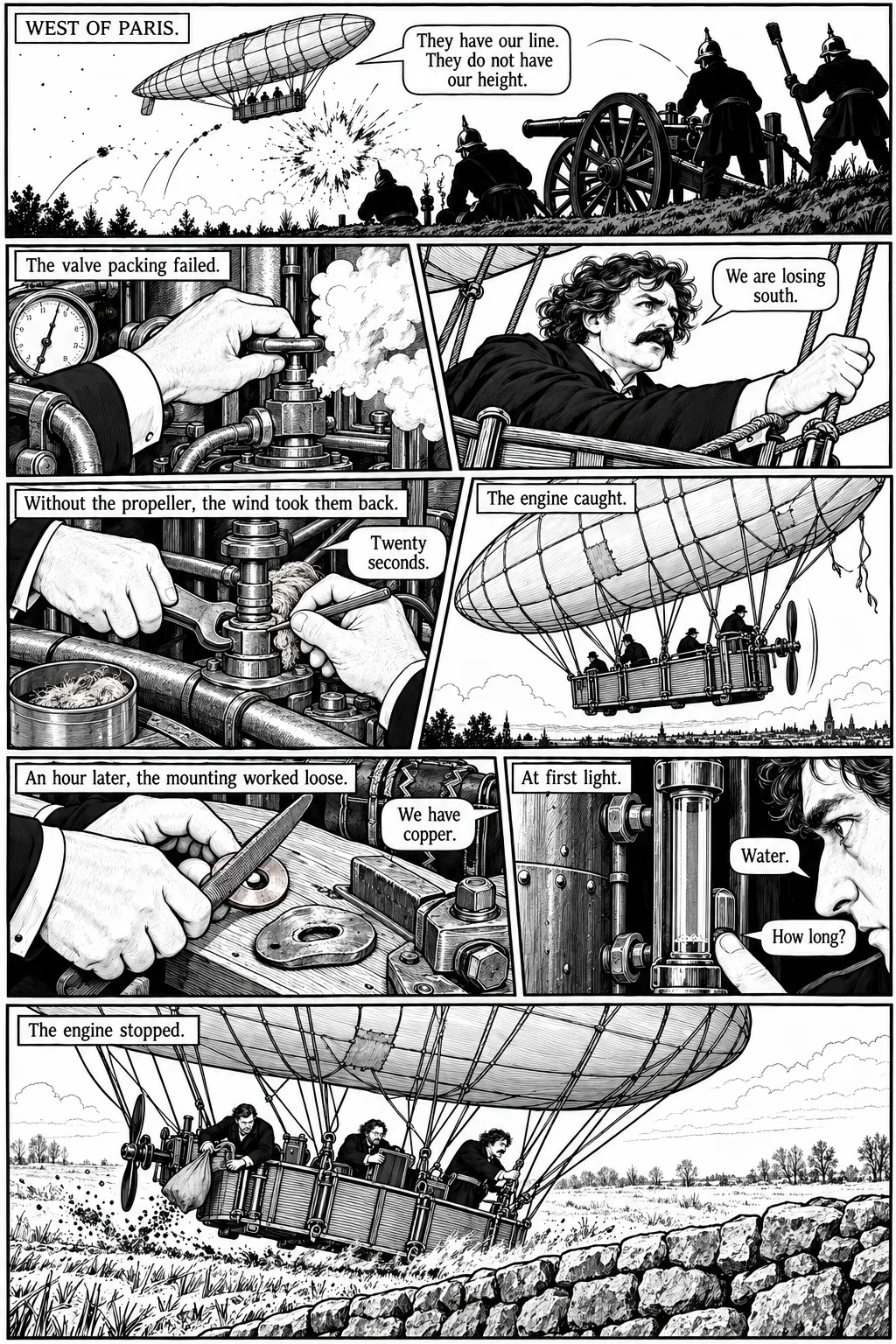
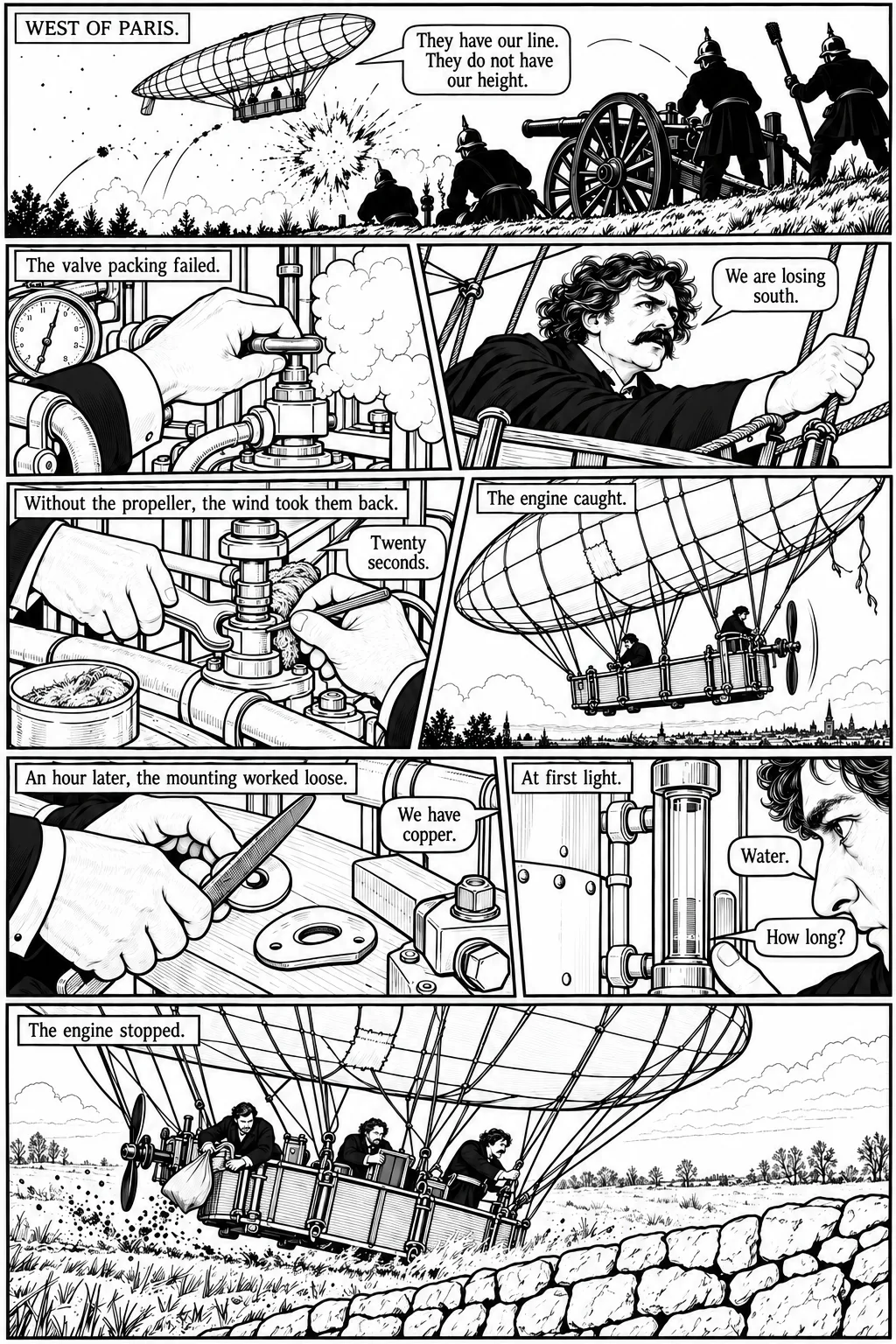
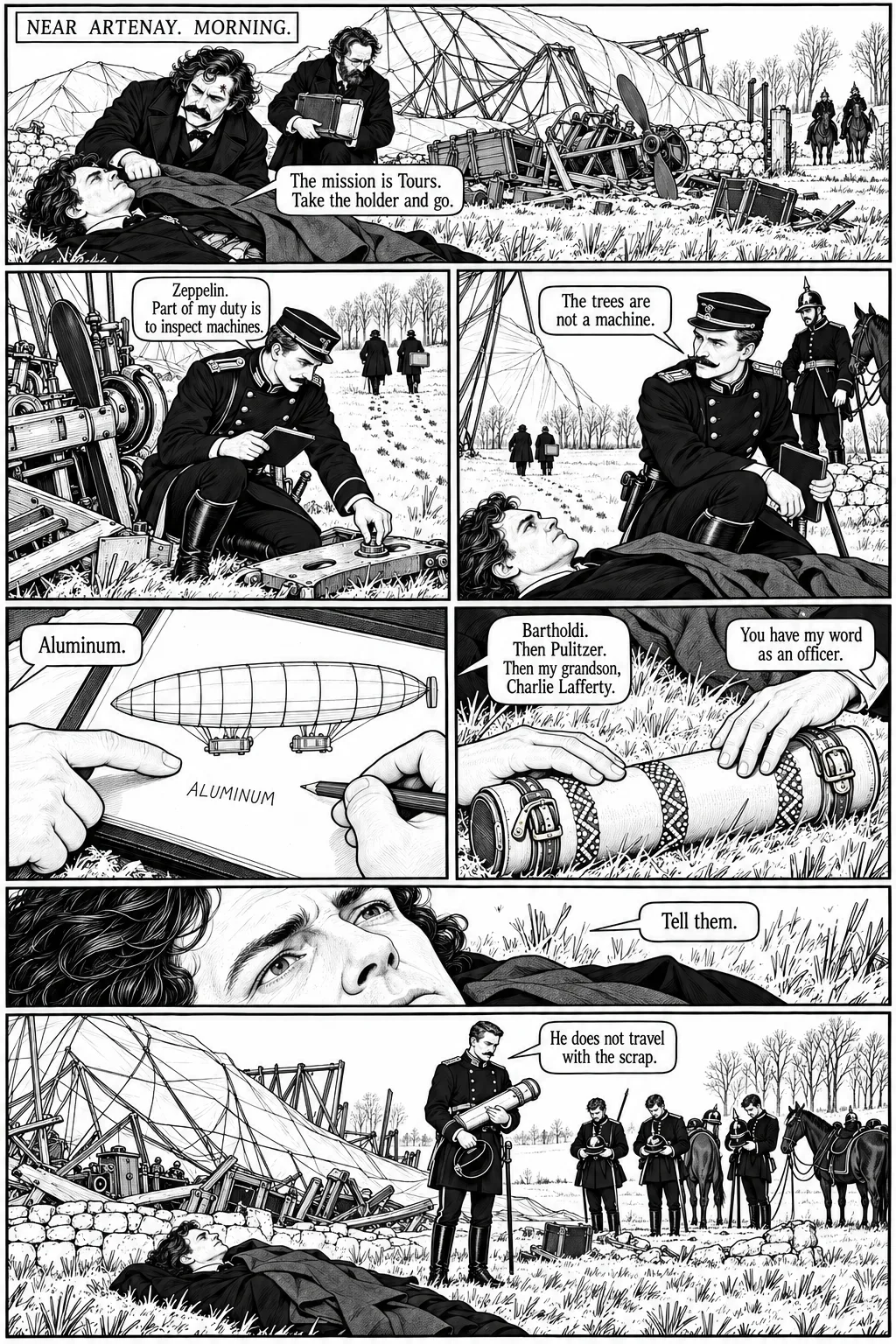
Theatre Royal of the Imagination
Get Me Lafferty! · thirty-one chapters and an epilogue
Dramatis Personae
As they appear in the manuscript.
The Legend
From his seventh birthday he sits in the third seat from the aisle in the front row of the Gaiety Theatre and learns every play by heart. The winter the flu empties the dressing rooms, he plays Romeo and Juliet both.
Attorney, Whitmore Lane
Forty-five, short and balding, in a coat turned once at the cuffs. He works his felt hat around by the brim a quarter turn at a time. “Yes, but I don’t try cases.”
Of the Gaiety
For three decades she built a career out of a freckle-faced tomboy, with homespun cotton stuffed in her cheeks and dabs of French rouge. When she wants a table she climbs onto a chair, because a table would be vulgar in her own house.
Dora Jordan’s Housekeeper
She brings a calling card in on a silver tray held out at the full length of her arm, and she squares an RSVP against the hall table twice before she lets a man in.
Owner of the Gaiety
He struts down the aisle as a fourteenth-century Turkish chieftain in a silver-embroidered purple cloak, with tangerine war paint flecked with spangles around his eyes.
Photographer and Balloonist
Very tall, in a gray flannel shirt with the sleeves rolled to the elbow and a National Guard képi pushed back on hair that had been copper red. His name runs across his building on the Boulevard des Capucines in letters taller than a man.
Microphotographer
Small and spare, in a leather apron squared at the corners, with his spectacles low on his nose and chemical stains on his fingers. Every tool on his bench lies parallel to the edge.
Typesetter
He sets type for a living and keeps a composing stick in his pocket. He and Nadar founded a society for flying machines.
Lieutenant, Reader of Letters
He puts his name down first to read the films by lens. He reads a letter to a baker, a letter to a priest from his mother, and a letter to a man from his creditor, all in the same voice.
Of Budapest
At sixteen he is six feet tall and thin, with spectacles and a long nose, and he reads three newspapers a day. By the spring after his father’s funeral he can recite Hamlet in English and in Hungarian.
Ornithologist
Forty-six and broad in the shoulders, on his knees with his coat off, working a chamois over the bottom edge of a glass case. The backs of his hands are stained brown to the wrist.
Of the Gaiety
A long, loose-jointed man of forty who comes in without knocking on his way to the theater, eating roast chestnuts out of a paper cone.
Also Appearing
Charles Carrington · Murchom Baily of the Abbey Theatre · Isidore Geoffroy Saint-Hilaire · Prince Albert · Henry Cole · Count Zeppelin · Gildersnitch of Philadelphia · Delorme, Mercadier and the clerks of the Rue de Grenelle
Chapter One · The Delivery
A black carriage came down Whitmore Lane and stopped at the cottage at the end of it, where the cobbles gave out into wet fields. Its lacquered panels threw back the light of its own lamps. Four bay horses snorted steam into the November air and stamped against the cobblestones. The harness leather creaked. Two brass carriage lamps burned through the fog and threw light across cracked limestone walls, and the fog came apart in slow rolls where the horses breathed into it.
Arthur Lafferty put his eye to a gap in the warped shutters. A cloaked figure was climbing down from the driver’s bench. Inside the carriage, behind the window glass, sat a second man in formal morning dress. Lafferty’s fingers closed around the iron poker he kept beside the door.
The first knock moved the door in its frame and shook grit down from the lintel.
Lafferty opened it the width of one bloodshot eye. “You’ve come to the wrong address,” he called through the gap. “Return to wherever you came from.”
The cloaked figure raised his lantern. “You are Arthur Lafferty, are you not?”
The poker clattered to the floor. “I am Arthur Lafferty,” he said, and pushed his hands into the pockets of his patched wool coat.
“The attorney?”
“Yes, but I don’t try cases,” Lafferty said. It was his standard disclaimer, offered alike to strangers, clients, and creditors.
The coachman withdrew a black metal rod from his cloak and flicked his wrist. The rod telescoped out into a switch the length of a buggy whip. The crack came back off the cottage wall a half second later, and a dog began barking somewhere out in the fields.
The carriage door opened and the formally dressed man stepped down. His pinstriped morning coat showed no wrinkle from the journey. A gray silk cravat encircled his throat. A black top hat sat level on his narrow skull. Under his left arm he carried a leather valise stamped with the letter H above an engraved hammer wreathed in smoke.
He crossed the uneven stones in a straight line, his polished boots striking each one with the same force, and halted two yards from Lafferty. His heels clicked together.
“I am Mr. Charles Carrington,” he announced. “Attaché to Lord Hephaestus, proprietor of Hephaestus Blacksmith and Optical Instruments. I am at your service.”
Whitmore Lane at that hour smelled of wet ash, boiled cabbage, and the ditch behind the fields. His facial topography glared with gravestone eyes locked in canyons of cold contempt, and he kept them on Lafferty’s face.
“I’ve purchased nothing,” Lafferty said. “There must be a second Arthur Lafferty. It’s a common enough name.”
Carrington raised one gloved hand. Behind him a third man came out of the fog, a workman in brown corduroy and a canvas apron, carrying a polished oak box level in both hands and watching the box instead of the ground.
The workman set the box down on a cracked stepping stone. From his vest pocket Carrington produced a small purse of amber silk with a golden drawstring. The outline of a key showed through the fabric. He handed it to the workman, who took out a pewter key and unlocked the brass fittings.
Inside, on royal blue velvet, lay a cylindrical case of reptilian leather. Ivory beads formed zigzag patterns across its surface. Brass buckles secured the closure. It was about eighteen inches long.
The workman lifted the case by its strap and held it out. Thunder rolled off toward the Liffey. The horses pulled against their traces and the lamp flames leaned over inside their glass.
Lafferty kept his hands where they were. “If this is a delivery, I’ll want to see the invoice. I can’t accept goods I haven’t the means to pay for.”
“There is no invoice,” said Carrington.
“Then a receipt. Something I might sign, stating the condition it arrived in. If the contents prove damaged, I won’t be held -“
“There is no receipt.”
The case hung in the air between them. The workman’s left eye twitched.
Lafferty took it in both hands. “I’ll not be the man who drops it,” he said.
The leather was warm despite the November cold, and the ivory beads clicked against each other.
Five Generations
One family, from a Dublin doorstep in the 1830s to Coney Island in the 1910s.
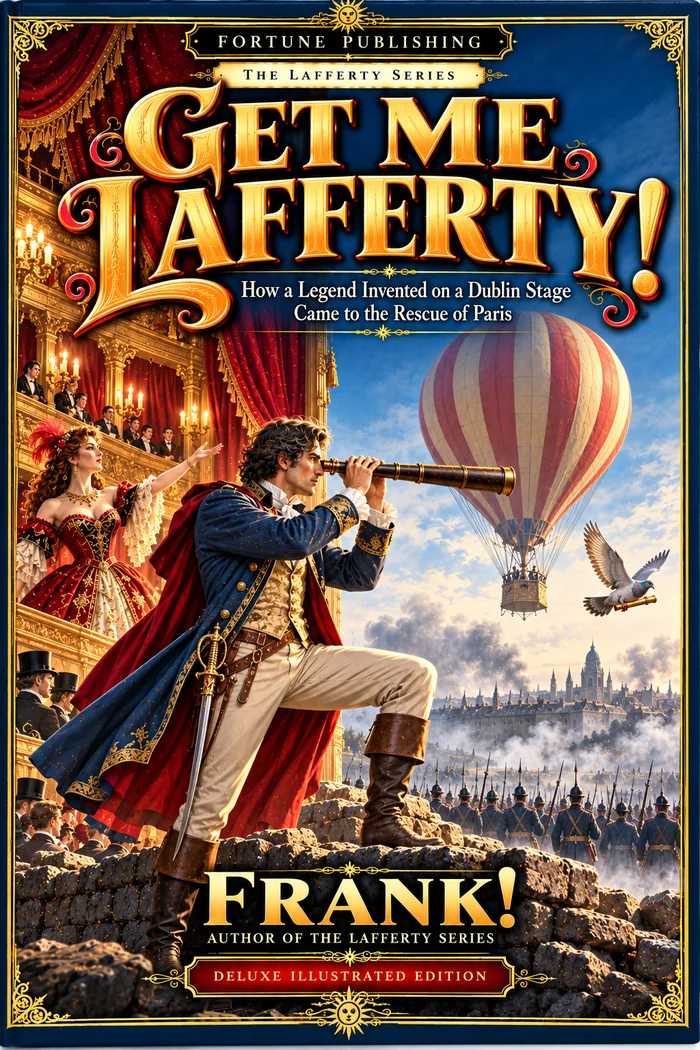
A spyglass, a Dublin legend, and the siege of Paris.
Coming Soon
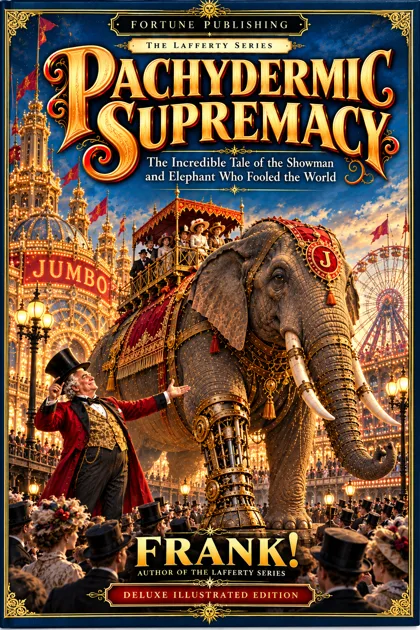
P. T. Barnum buys Jumbo, and a small man from Dublin named Abe Lafferty walks him to the ship.
Coming Soon
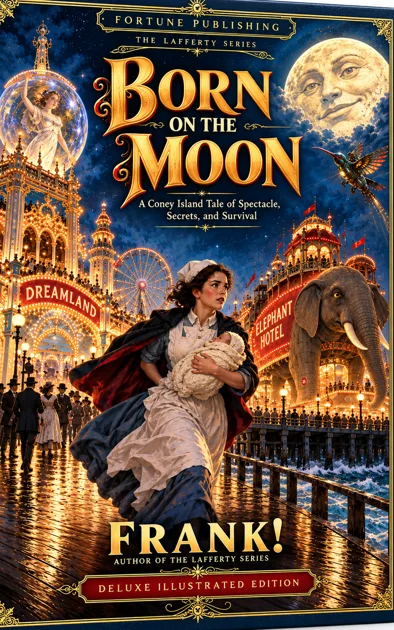
Coney Island, Dreamland, and the Elephant Hotel.
Coming 2027 · Visit the site ›
Fortune Publishing presents
Coming Soon
The curtain goes up on Amazon soon. The link to order will appear right here.
Amazon · Coming Soon